
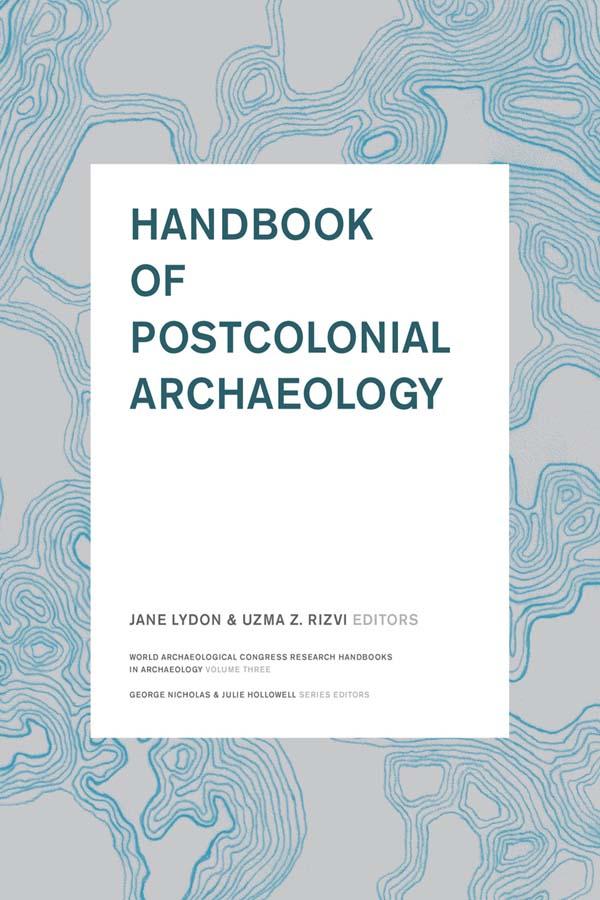
This essential handbook explores the relationship between the postcolonial critique and the field of archaeology, a discipline that developed historically in conjunction with European colonialism and imperialism. In aiding the movement to decolonize the profession, the contributors to this volume—themselves from six continents and many representing indigenous and minority communities and disadvantaged countries—suggest strategies to strip archaeological theory and practice of its colonial heritage and create a discipline sensitive to its inherent inequalities. Summary articles review the emergence of the discipline of archaeology in conjunction with colonialism, critique the colonial legacy evident in continuing archaeological practice around the world, identify current trends, and chart future directions in postcolonial archaeological research. Contributors provide a synthesis of research, thought, and practice on their topic. The articles embrace multiple voices and case study approaches, and have consciously aimed to recognize the utility of comparative work and interdisciplinary approaches to understanding the past. This is a benchmark volume for the study of the contemporary politics, practice, and ethics of archaeology. Sponsored by the World Archaeological Congress
Betal nemt med kort, Klarna, Apple Pay eller Google Pay. Ikke tilfreds? Du har altid 14 dages fortrydelsesret. Læs mere i vores vilkår. Har du spørgsmål, så send os en mail på hello@memmo.org.
Memmo gør det nemmere at studere – uanset hvor du er i verden. Hos os samler du dine kursusbøger og smarte studieværktøjer ét sted: resuméer, quizzer, podcasts og flashcards. Og så er der Ted, din studieven, der svarer på alt, du undrer dig over. Over 50 000 studerende studerer allerede her – bygget til at hjælpe dig med at lære hurtigere og stresse mindre.
Du kan måske også lide
Køb bogen0