
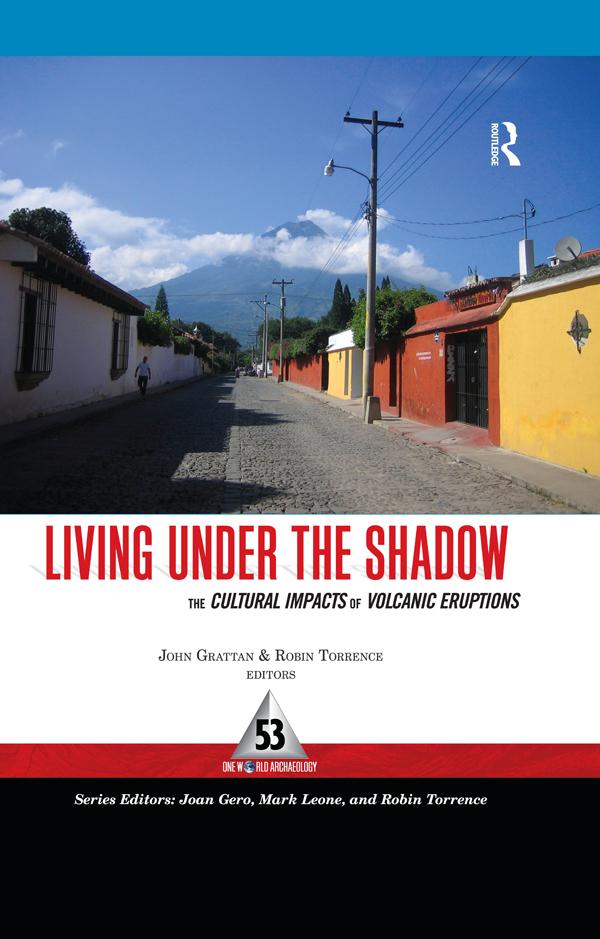
Popularist treatments of ancient disasters like volcanic eruptions have grossly overstated their capacity for death, destruction, and societal collapse. Contributors to this volume—from anthropology, archaeology, environmental studies, geology, and biology—show that human societies have been incredibly resilient and, in the long run, have often recovered remarkably well from wide scale disruption and significant mortality. They have often used eruptions as a trigger for environmental enrichment, cultural change, and adaptation. These historical studies are relevant to modern hazard management because they provide records for a far wider range of events and responses than have been recorded in written records, yet are often closely datable and trackable using standard archaeological and geological techniques. Contributors also show the importance of traditional knowledge systems in creating a cultural memory of dangerous locations and community responses to disaster. The global and temporal coverage of the research reported is impressive, comprising studies from North and Central America, Europe, Asia, and the Pacific, and ranging in time from the Middle Palaeolithic to the modern day.
Betal nemt med kort, Klarna, Apple Pay eller Google Pay. Ikke tilfreds? Du har altid 14 dages fortrydelsesret. Læs mere i vores vilkår. Har du spørgsmål, så send os en mail på hello@memmo.org.
Memmo gør det nemmere at studere – uanset hvor du er i verden. Hos os samler du dine kursusbøger og smarte studieværktøjer ét sted: resuméer, quizzer, podcasts og flashcards. Og så er der Ted, din studieven, der svarer på alt, du undrer dig over. Over 50 000 studerende studerer allerede her – bygget til at hjælpe dig med at lære hurtigere og stresse mindre.
Du kan måske også lide
Køb bogen0