
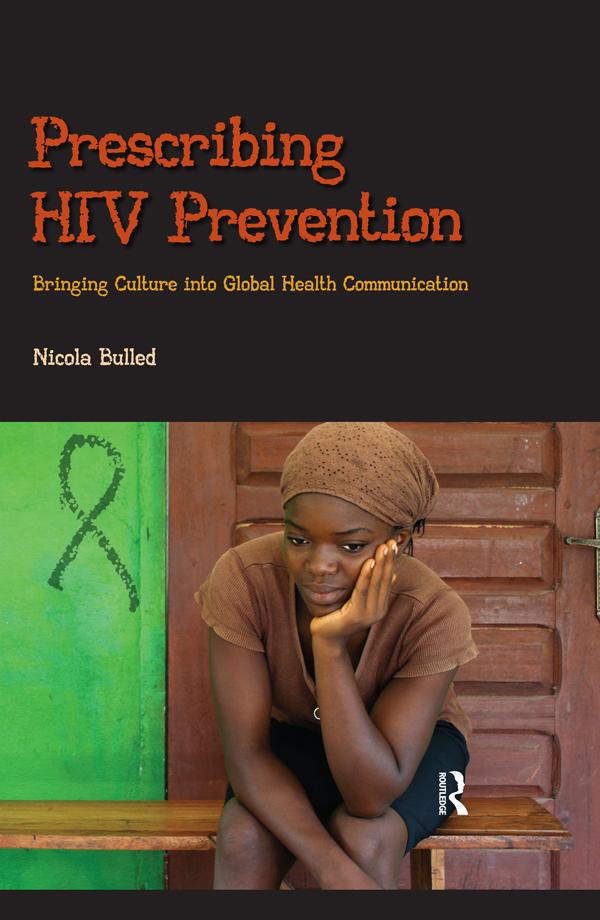
Critical health communication scholars point out that the acceptance of HIV risk prevention methods are bound inside inequitable structures of power and knowledge. Nicola Bulled’s in-depth ethnographic account of how these messages are selected, transmitted and reacted to by young adults in the AIDS-torn population of Lesotho in southern Africa provides a crucial example of the importance of a culture-centered approach to health communication. She shows the clash between traditional western perceptions of how increased knowledge will increase compliance with western ideas of prevention, and mixed messages offered by local religious, educational, and media institutions. Bulled also demonstrates how structural and geographical forces prevent the delivery and acceptance of health messages, and how local communities shape their own knowledge of health, disease and illness. This volume will be of interest to medical anthropologists and sociologists, to those in health communication, and to researchers working on issues related to HIV.
Betal nemt med kort, Klarna, Apple Pay eller Google Pay. Ikke tilfreds? Du har altid 14 dages fortrydelsesret. Læs mere i vores vilkår. Har du spørgsmål, så send os en mail på hello@memmo.org.
Memmo gør det nemmere at studere – uanset hvor du er i verden. Hos os samler du dine kursusbøger og smarte studieværktøjer ét sted: resuméer, quizzer, podcasts og flashcards. Og så er der Ted, din studieven, der svarer på alt, du undrer dig over. Over 50 000 studerende studerer allerede her – bygget til at hjælpe dig med at lære hurtigere og stresse mindre.
Du kan måske også lide
Køb bogen0