
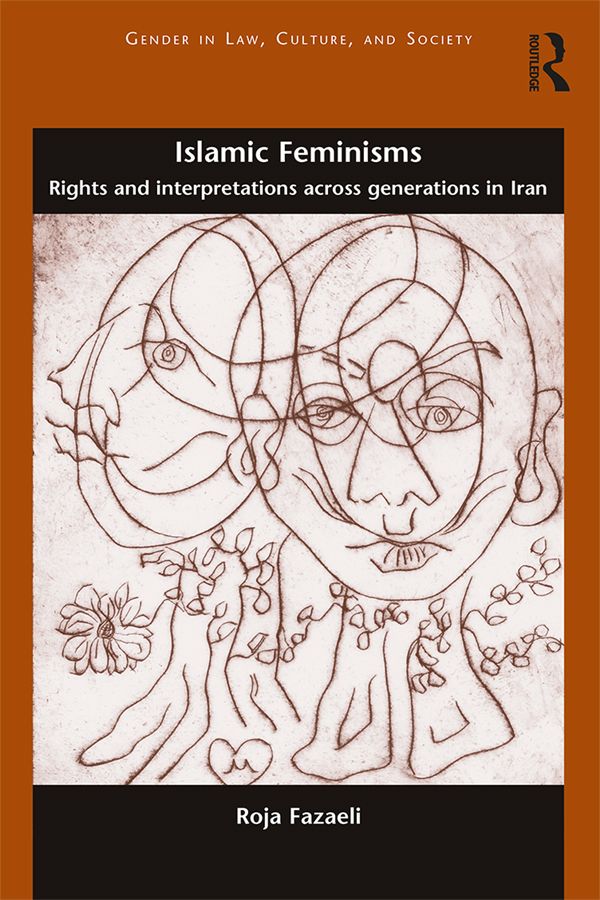
This book explores the contentious topic of women’s rights in Muslim-majority countries, with a specific focus on Iran and the Iranian women’s movement from 1906 to the present. The work contextualizes the authorial self through the use of personal narrative and interviews. A new critique of Islamic law is produced through an in-depth study of the Iranian Constitution, civil and criminal codes. The work presents a novel reconceptualization of the term "Islamic feminism" by revisiting the arguments of various scholars and through analysis of interviews with Iranian women’s rights activists. It is contended that the feminist movements can play a critical role in Islamic law reform and consequently the eventual implementation of international human rights law in Muslim-majority countries. What emerges from this study is not only a feminist critique of two major regimes of law, but also the identification of possibilities for reform in the future. The study transitions from the Iranian national context to the international by way of a comparative legal study of international human rights laws and Islamic laws. The book will appeal both to academics and human rights practitioners.
Betal nemt med kort, Klarna, Apple Pay eller Google Pay. Ikke tilfreds? Du har altid 14 dages fortrydelsesret. Læs mere i vores vilkår. Har du spørgsmål, så send os en mail på hello@memmo.org.
Memmo gør det nemmere at studere – uanset hvor du er i verden. Hos os samler du dine kursusbøger og smarte studieværktøjer ét sted: resuméer, quizzer, podcasts og flashcards. Og så er der Ted, din studieven, der svarer på alt, du undrer dig over. Over 50 000 studerende studerer allerede her – bygget til at hjælpe dig med at lære hurtigere og stresse mindre.