
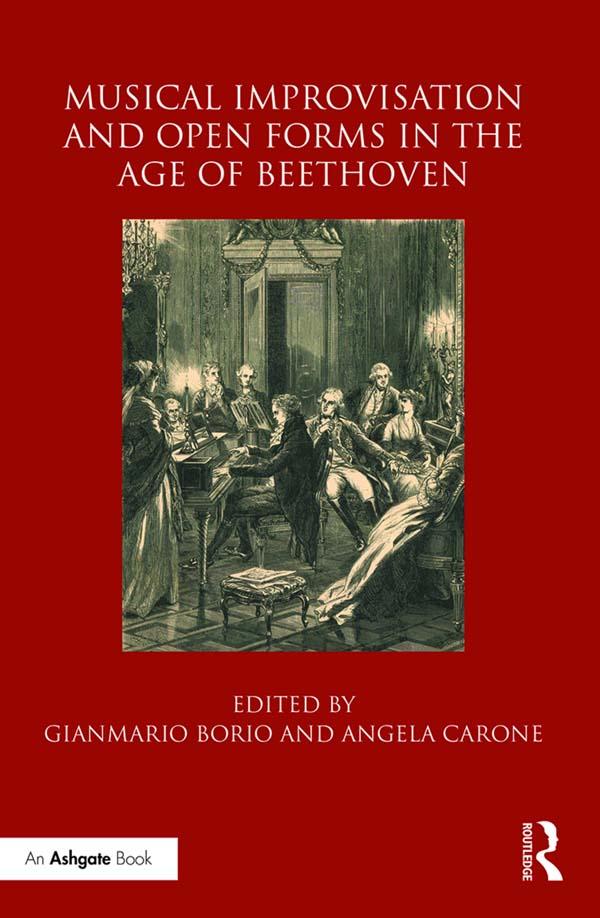
Improvisation was a crucial aspect of musical life in Europe from the late eighteenth century through to the middle of the nineteenth, representing a central moment in both public occasions and the private lives of many artists. Composers dedicated themselves to this practice at length while formulating the musical ideas later found at the core of their published works; improvisation was thus closely linked to composition itself. The full extent of this relation can be inferred from both private documents and reviews of concerts featuring improvisations, while these texts also inform us that composers quite often performed in public as both improvisers and interpreters of pieces written by themselves or others. Improvisations presented in concert were distinguished by a remarkable degree of structural organisation and complexity, demonstrating performers’ consolidated abilities in composition as well as their familiarity with the rules for improvising outlined by theoreticians.
Betal nemt med kort, Klarna, Apple Pay eller Google Pay. Ikke tilfreds? Du har altid 14 dages fortrydelsesret. Læs mere i vores vilkår. Har du spørgsmål, så send os en mail på hello@memmo.org.
Memmo gør det nemmere at studere – uanset hvor du er i verden. Hos os samler du dine kursusbøger og smarte studieværktøjer ét sted: resuméer, quizzer, podcasts og flashcards. Og så er der Ted, din studieven, der svarer på alt, du undrer dig over. Over 50 000 studerende studerer allerede her – bygget til at hjælpe dig med at lære hurtigere og stresse mindre.