
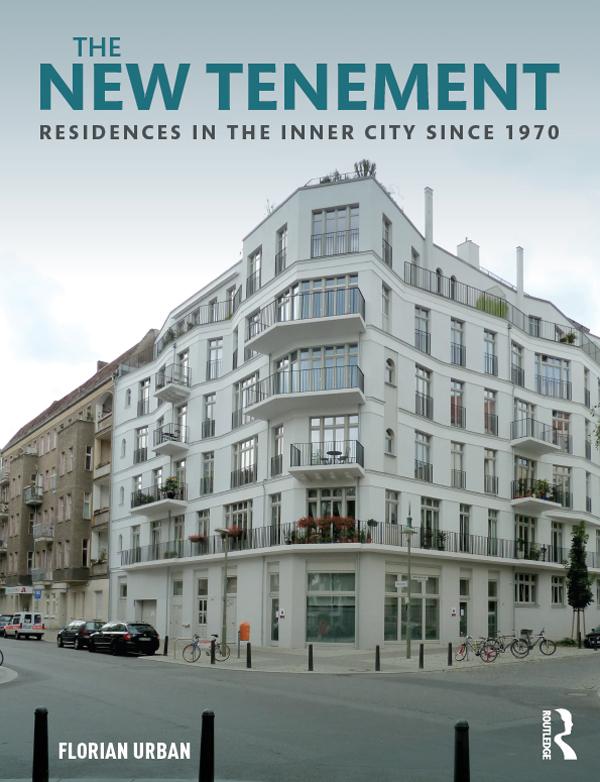
This book examines "new tenements"—dense, medium-rise, multi-storey residences that have been the backbone of European inner-city regeneration since the 1970s and came with a new positive view on urban living. Focusing principally on Berlin, Copenhagen, Glasgow, Rotterdam, and Vienna, it relates architectural design to an evolving intellectual framework that mixed anti-modernist criticism with nostalgic images and strategic goals, and absorbed ideas about the city as a generator of creativity, locale of democratic debate, and object of personal identification.This book analyses new tenements in the context of the post-functionalist city and its mixed-use neighbourhoods, redeveloped industrial sites and regenerated waterfronts. It demonstrates that these buildings are both generators and outcome of an urban environment characterised by information exchange rather than industrial production, individual expression rather than mass culture, visible history rather than comprehensive renewal, and conspicuous difference rather than egalitarianism. It also shows that new tenements evolved under a welfare state that all over Europe has come under pressure, but still to a certain degree balances and controls heterogeneity and economic disparities.
Betal nemt med kort, Klarna, Apple Pay eller Google Pay. Ikke tilfreds? Du har altid 14 dages fortrydelsesret. Læs mere i vores vilkår. Har du spørgsmål, så send os en mail på hello@memmo.org.
Memmo gør det nemmere at studere – uanset hvor du er i verden. Hos os samler du dine kursusbøger og smarte studieværktøjer ét sted: resuméer, quizzer, podcasts og flashcards. Og så er der Ted, din studieven, der svarer på alt, du undrer dig over. Over 50 000 studerende studerer allerede her – bygget til at hjælpe dig med at lære hurtigere og stresse mindre.