
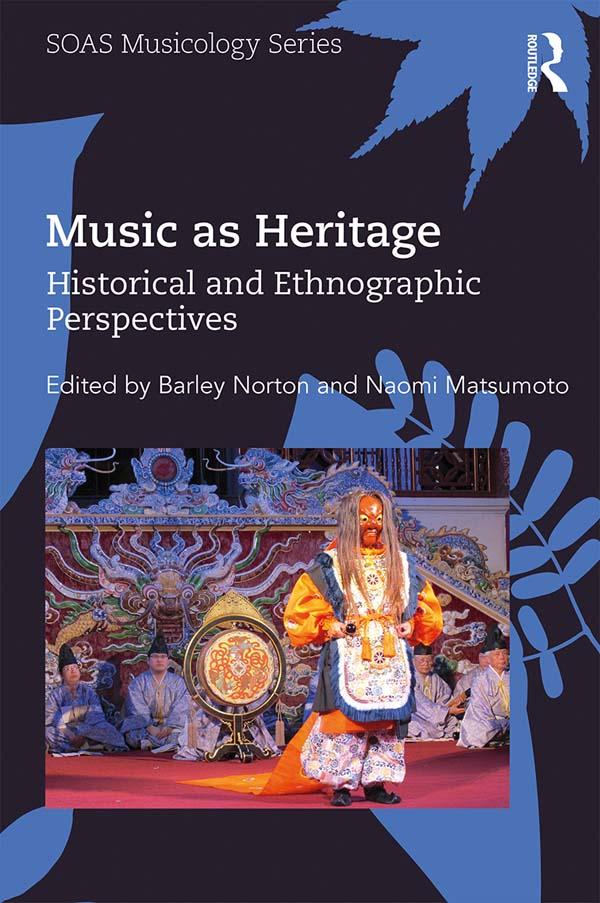
As economic, technological and cultural change gathers pace across the world, issues of music heritage and sustainability have become ever more pressing. Discourse on intangible cultural heritage has developed in complex ways in recent years, and musical practices have been transformed by safeguarding agendas. Music as Heritage takes stock of these transformations, bringing new ethnographic and historical perspectives to bear on our encounters with music heritage. The volume evaluates the cultural politics, ethics and audiovisual representation of music heritage; the methods and consequences of music transmission across national borders; and the perennial issues of revival, change and innovation.
UNESCO’s 2003 Convention for the Safeguarding of the Intangible Cultural Heritage provides an essential reference point for studies of music heritage. However, this volume also pays attention to important spheres of musical activity that lie outside of UNESCO’s reach and the reasons why some repertories of music are chosen for safeguarding while others are not. Some practices of art music in Europe explored in this book, for example, have received little attention despite being susceptible to endangerment. Developing a comparative framework that cuts across genre distinctions and disciplinary boundaries, Music as Heritage explores how music cultures are being affected by heritage discourse and the impact of international and national policies on grass-roots music practices.
Betal nemt med kort, Klarna, Apple Pay eller Google Pay. Ikke tilfreds? Du har altid 14 dages fortrydelsesret. Læs mere i vores vilkår. Har du spørgsmål, så send os en mail på hello@memmo.org.
Memmo gør det nemmere at studere – uanset hvor du er i verden. Hos os samler du dine kursusbøger og smarte studieværktøjer ét sted: resuméer, quizzer, podcasts og flashcards. Og så er der Ted, din studieven, der svarer på alt, du undrer dig over. Over 50 000 studerende studerer allerede her – bygget til at hjælpe dig med at lære hurtigere og stresse mindre.