
Reliably optimizing a new treatment in humans is a critical first step in clinical evaluation since choosing a suboptimal dose or schedule may lead to failure in later trials. At the same time, if promising preclinical results do not translate into a real treatment advance, it is important to determine this quickly and terminate the clinical evaluation process to avoid wasting resources.
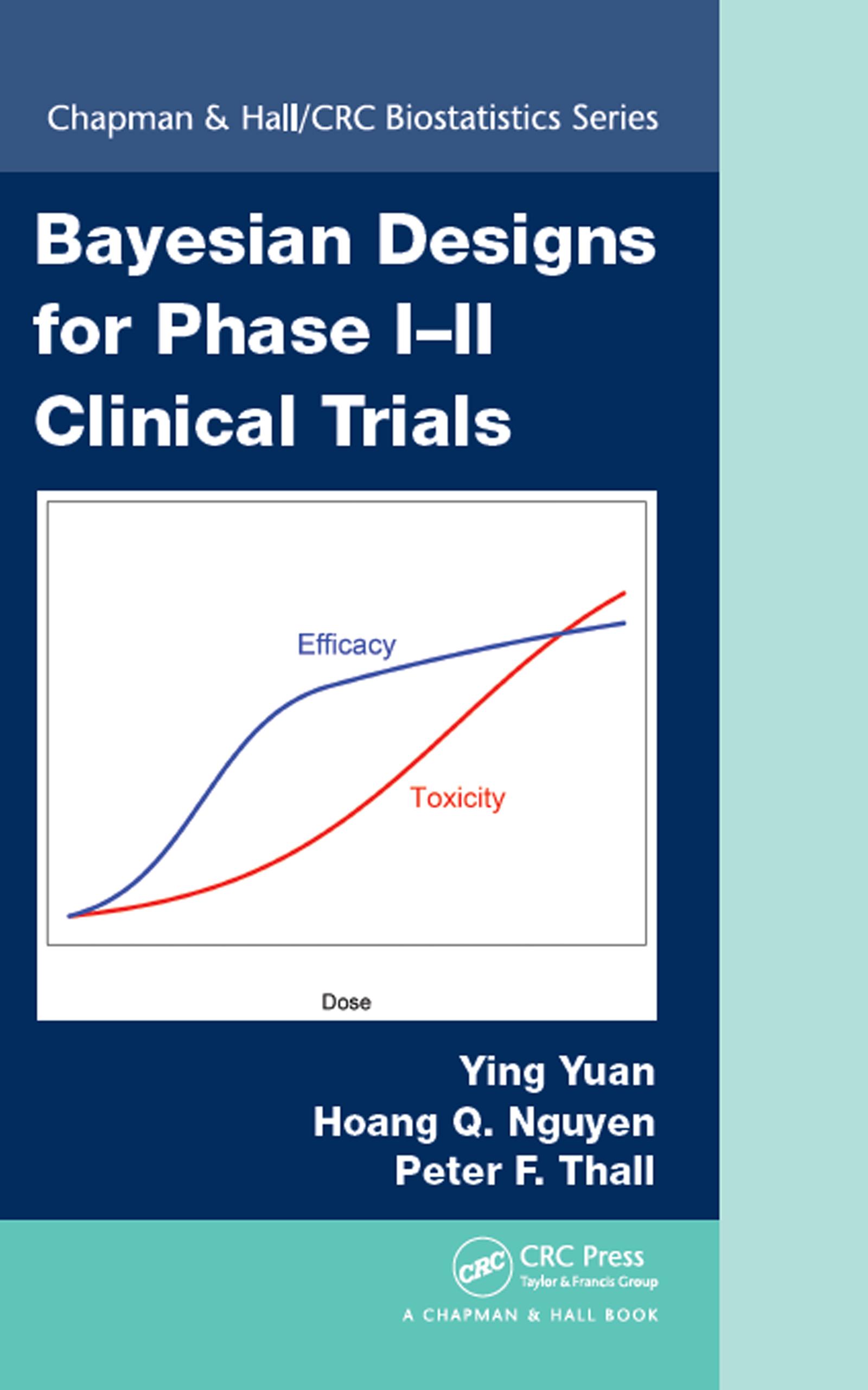
Bayesian Designs for Phase I–II Clinical Trials describes how phase I–II designs can serve as a bridge or protective barrier between preclinical studies and large confirmatory clinical trials. It illustrates many of the severe drawbacks with conventional methods used for early-phase clinical trials and presents numerous Bayesian designs for human clinical trials of new experimental treatment regimes.
Written by research leaders from the University of Texas MD Anderson Cancer Center, this book shows how Bayesian designs for early-phase clinical trials can explore, refine, and optimize new experimental treatments. It emphasizes the importance of basing decisions on both efficacy and toxicity.
Betal nemt med kort, Klarna, Apple Pay eller Google Pay. Ikke tilfreds? Du har altid 14 dages fortrydelsesret. Læs mere i vores vilkår. Har du spørgsmål, så send os en mail på hello@memmo.org.
Memmo gør det nemmere at studere – uanset hvor du er i verden. Hos os samler du dine kursusbøger og smarte studieværktøjer ét sted: resuméer, quizzer, podcasts og flashcards. Og så er der Ted, din studieven, der svarer på alt, du undrer dig over. Over 50 000 studerende studerer allerede her – bygget til at hjælpe dig med at lære hurtigere og stresse mindre.