
This title includes a number of Open Access chapters.
In today’s world, there are new opportunities for disaster communications through modern technology and social media. Social network applications such as Facebook, Twitter, and Instagram can connect friends, family, first responders, and those providing relief and assistance. However, social media and other modern communication tools have their limitations. They can be affected by disaster situations where there are power outages or interrupted cellular service. The research contained in this valuable compendium offers much-needed information for emergency responders, utility companies, relief organizations, and governments as they invest in infrastructure to support post-disaster communications.
In order to make use of modern communication methods, as well as fully utilize more traditional communication networks, it is imperative that we understand how people actually communicate in the wake of a disaster situation and how various communication strategies can best be utilized. Communication during and immediately after a disaster situation is a vital component of response and recovery. Effective communication connects first responders, support systems, and family members with the communities and individuals immersed in the disaster. Reliable communication also plays a key role in a community’s resilience.
With research from internationally recognized experts, this volume provides an overview of communication challenges and best-practice analyses, looks at the internet and social media and mobile phones and other technology for disaster communication, and explores the challenges to effective communication.
- Presents a quality improvement project that gathered expert consensus on best practices used to improve disaster communication
- Analyzes the information dissemination mechanisms of different media to establish an efficient information dissemination plan for disaster pre-warning, including short message service (SMS), microblogs, news portals, cell phones, television, and oral communication
- Gauges the effectiveness of disaster risk communication
- Looks at the future of social media use during emergencies and afterwards
- Proposes a disaster resilient network that integrates various wireless networks into a cognitive wireless network in the event of disaster occurrences
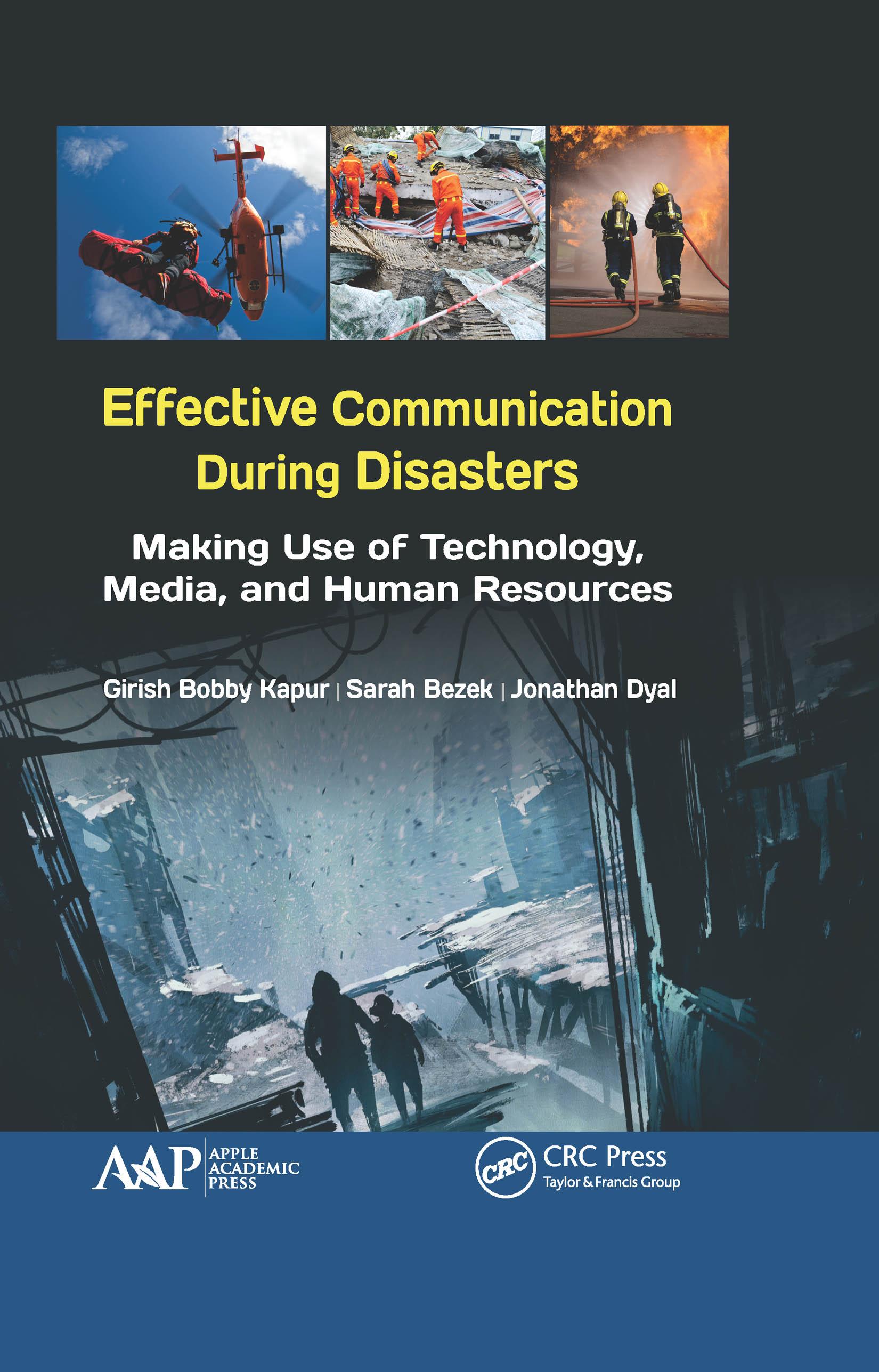
Effective Communication During Disasters: Making Use of Technology, Media, and Human Resources is an informative, multi-faceted resource on preparedness planning for effective communication before, during, and after a disaster occurs.
Betal nemt med kort, Klarna, Apple Pay eller Google Pay. Ikke tilfreds? Du har altid 14 dages fortrydelsesret. Læs mere i vores vilkår. Har du spørgsmål, så send os en mail på hello@memmo.org.
Memmo gør det nemmere at studere – uanset hvor du er i verden. Hos os samler du dine kursusbøger og smarte studieværktøjer ét sted: resuméer, quizzer, podcasts og flashcards. Og så er der Ted, din studieven, der svarer på alt, du undrer dig over. Over 50 000 studerende studerer allerede her – bygget til at hjælpe dig med at lære hurtigere og stresse mindre.