
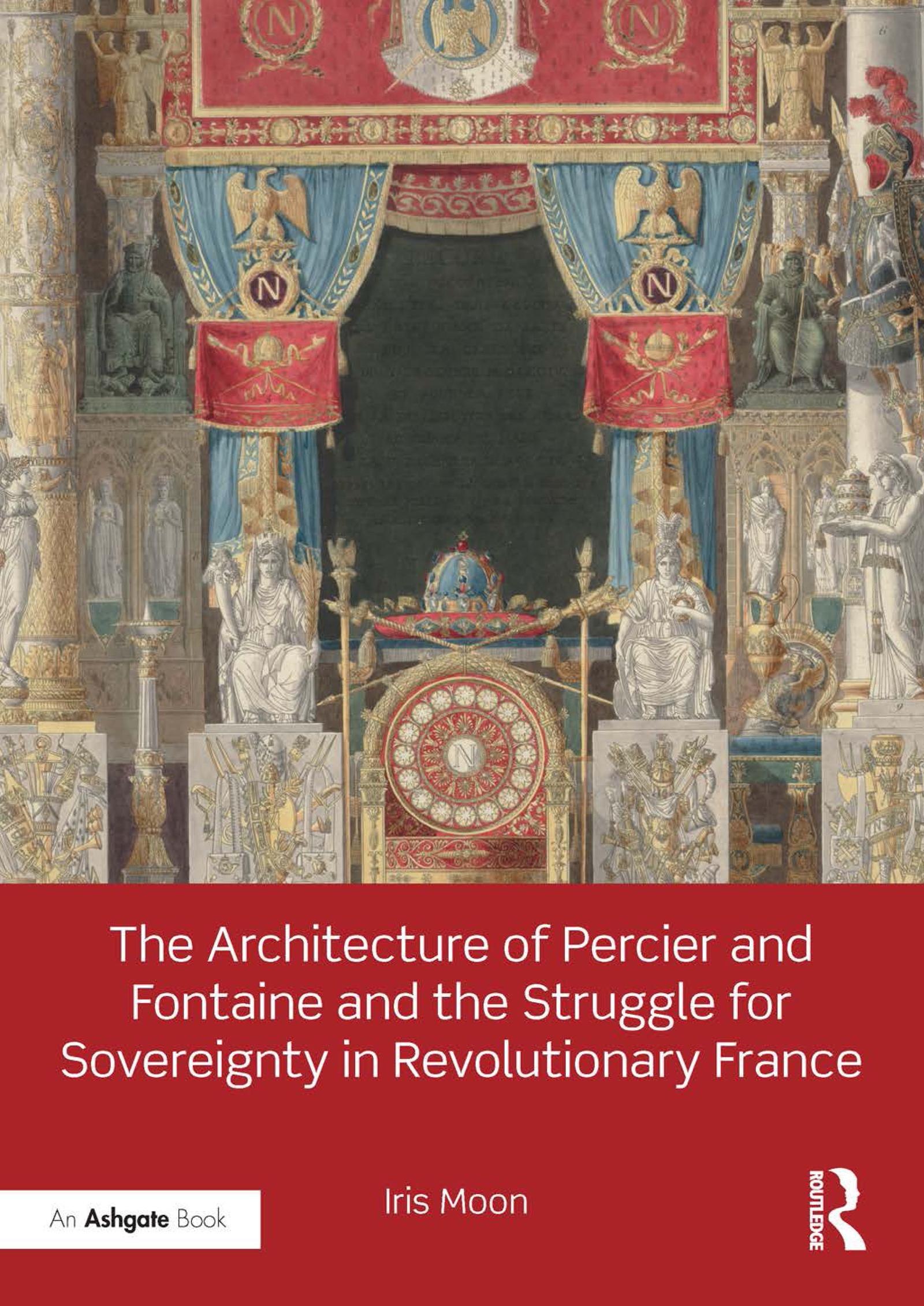
As the official architects of Napoleon, Charles Percier (1764–1838) and Pierre-François-Léonard Fontaine (1762–1853) designed interiors that responded to the radical ideologies and collective forms of destruction that took place during the French Revolution. The architects visualized new forms of imperial sovereignty by inverting the symbols of monarchy and revolution, constructing meeting rooms resembling military encampments and gilded thrones that replaced the Bourbon lily with Napoleonic bees. Yet in the wake of political struggle, each foundation stone that the architects laid for the new imperial regime was accompanied by an awareness of the contingent nature of sovereign power. Contributing fresh perspectives on the architecture, decorative arts, and visual culture of revolutionary France, this book explores how Percier and Fontaine’s desire to build structures of permanence and their inadvertent reliance upon temporary architectural forms shaped a new awareness of time, memory, and modern political identity in France.
Betal nemt med kort, Klarna, Apple Pay eller Google Pay. Ikke tilfreds? Du har altid 14 dages fortrydelsesret. Læs mere i vores vilkår. Har du spørgsmål, så send os en mail på hello@memmo.org.
Memmo gør det nemmere at studere – uanset hvor du er i verden. Hos os samler du dine kursusbøger og smarte studieværktøjer ét sted: resuméer, quizzer, podcasts og flashcards. Og så er der Ted, din studieven, der svarer på alt, du undrer dig over. Over 50 000 studerende studerer allerede her – bygget til at hjælpe dig med at lære hurtigere og stresse mindre.