
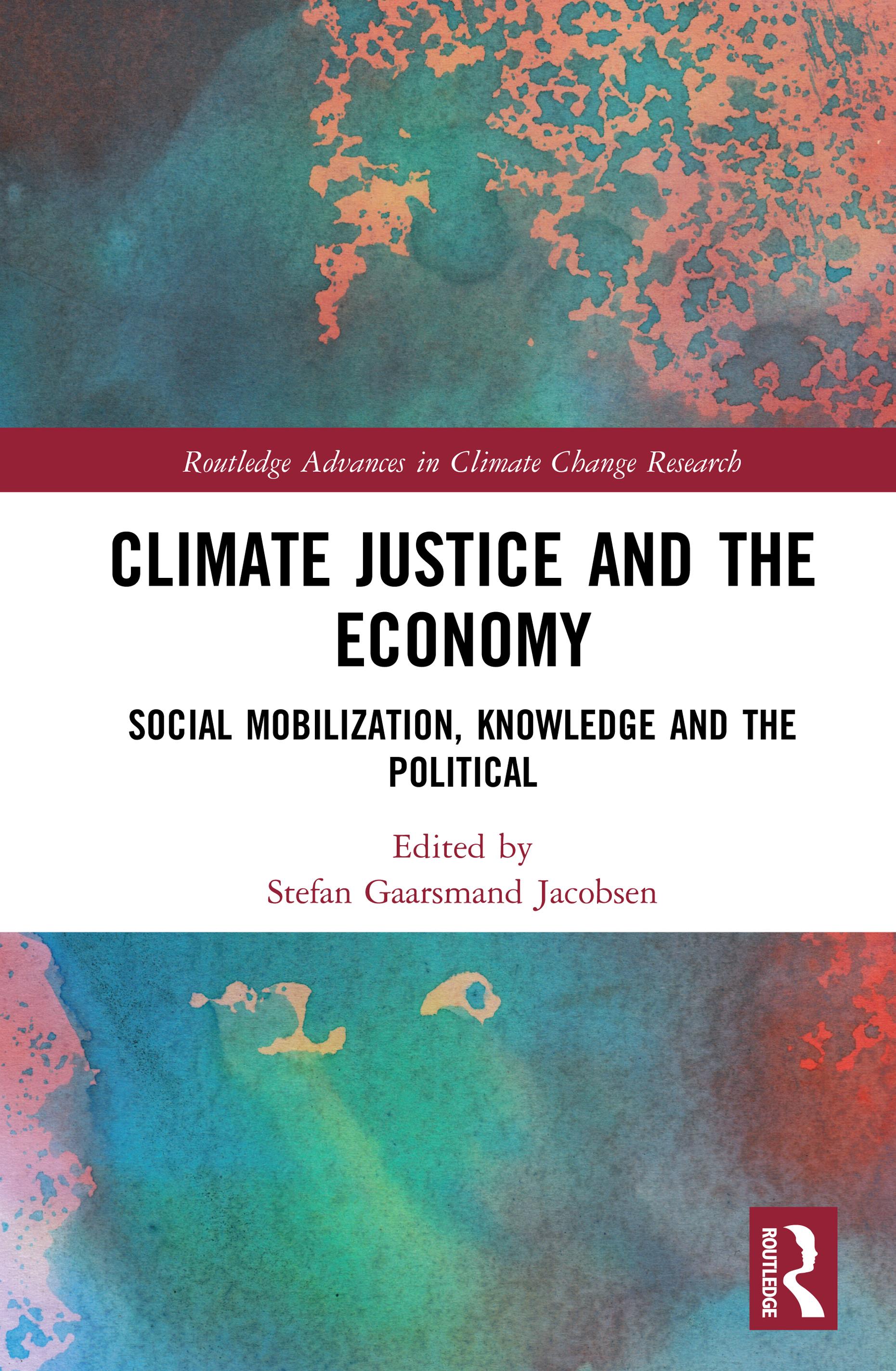
As climate change has increasingly become the main focus of environmentalist activism since the late 1990s, the global economic drivers of CO2 emissions are now a major concern for radical greens. In turn, the emphasis on connected crises in both natural and social systems has attracted more activists to the Climate Justice movement and created a common cause between activists from the Global South and North. In the absence of a pervasive narrative of transnational or socialist economic planning to prevent catastrophic climate change, these activists have been eager to engage with advanced knowledge and ideas on political and economic structures that diminish risks and allow for new climate agency.
This book breaks new ground by investigating what kind of economy the Climate Justice movement is calling for us to build and how the struggle for economic change has unfolded so far. Examining ecological debt, just transition, indigenous ecologies, social ecology, community economies and divestment among other topics, the authors provide a critical assessment and a common ground for future debate on economic innovation via social mobilization.
Taking a transdisciplinary approach that synthesizes political economy, history, theory and ethnography, this volume will be of great interest to students and scholars of climate justice, environmental politics and policy, environmental economics and sustainable development.
Betal nemt med kort, Klarna, Apple Pay eller Google Pay. Ikke tilfreds? Du har altid 14 dages fortrydelsesret. Læs mere i vores vilkår. Har du spørgsmål, så send os en mail på hello@memmo.org.
Memmo gør det nemmere at studere – uanset hvor du er i verden. Hos os samler du dine kursusbøger og smarte studieværktøjer ét sted: resuméer, quizzer, podcasts og flashcards. Og så er der Ted, din studieven, der svarer på alt, du undrer dig over. Over 50 000 studerende studerer allerede her – bygget til at hjælpe dig med at lære hurtigere og stresse mindre.