
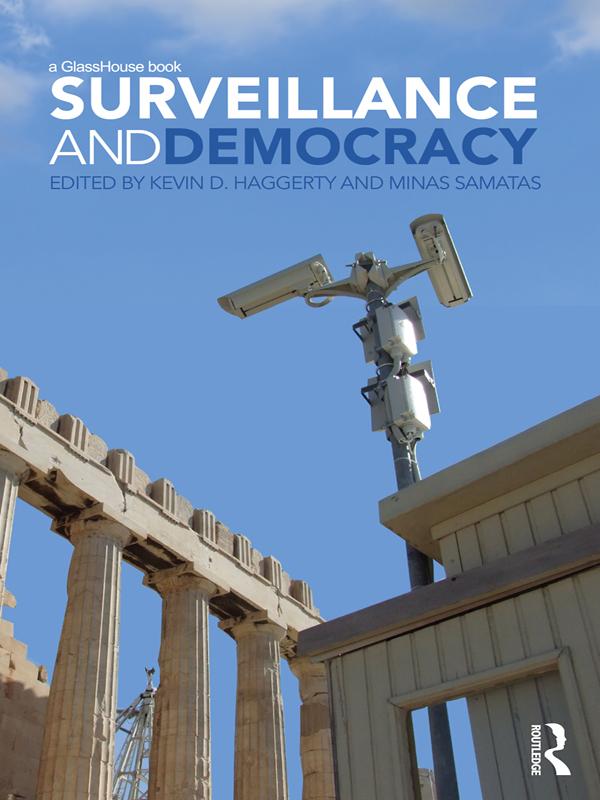
This collection represents the first sustained attempt to grapple with the complex and often paradoxical relationships between surveillance and democracy. Is surveillance a barrier to democratic processes, or might it be a necessary component of democracy? How has the legacy of post 9/11 surveillance developments shaped democratic processes? As surveillance measures are increasingly justified in terms of national security, is there the prospect that a shadow "security state" will emerge? How might new surveillance measures alter the conceptions of citizens and citizenship which are at the heart of democracy? How might new communication and surveillance systems extend (or limit) the prospects for meaningful public activism?
Surveillance has become central to human organizational and epistemological endeavours and is a cornerstone of governmental practices in assorted institutional realms. This social transformation towards expanded, intensified and integrated surveillance has produced many consequences. It has also given rise to an increased anxiety about the implications of surveillance for democratic processes; thus raising a series of questions – about what surveillance means, and might mean, for civil liberties, political processes, public discourse, state coercion and public consent – that the leading surveillance scholars gathered here address.
Betal nemt med kort, Klarna, Apple Pay eller Google Pay. Ikke tilfreds? Du har altid 14 dages fortrydelsesret. Læs mere i vores vilkår. Har du spørgsmål, så send os en mail på hello@memmo.org.
Memmo gør det nemmere at studere – uanset hvor du er i verden. Hos os samler du dine kursusbøger og smarte studieværktøjer ét sted: resuméer, quizzer, podcasts og flashcards. Og så er der Ted, din studieven, der svarer på alt, du undrer dig over. Over 50 000 studerende studerer allerede her – bygget til at hjælpe dig med at lære hurtigere og stresse mindre.