
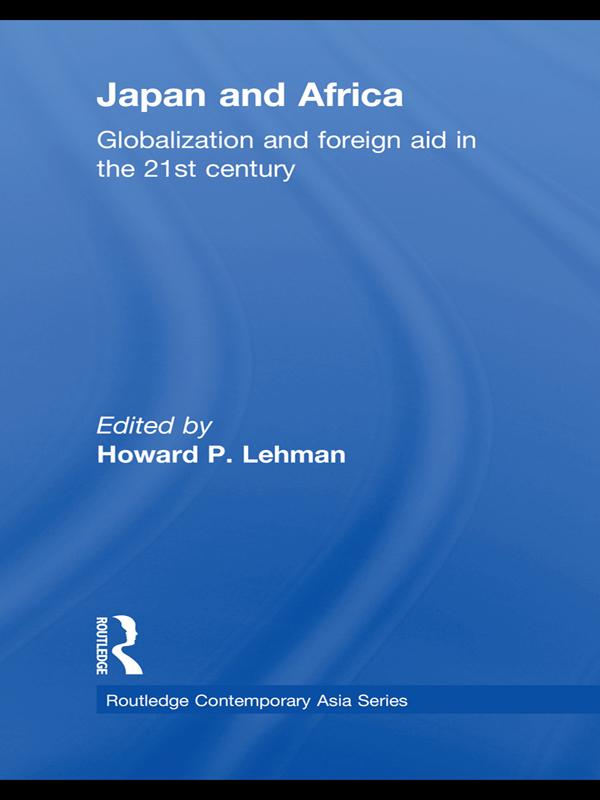
Since the early 1990s, Japan has played an increasingly important and influential role in Africa. A primary mechanism that has furthered its influence has been through its foreign aid policies. Japan’s primacy, however, has been challenged by changing global conditions related to aid to Africa, including the consolidation of the poverty reduction agenda and China’s growing presence in Africa.
This book analyzes contemporary political and economic relations in foreign aid policy between Japan and Africa. Primary questions focus on Japan’s influence in the African continent, reasons for spending its limited resources to further African development, and the way Japan’s foreign aid is invested in Africa. The context of examining Japan’s foreign aid policies highlights the fluctuation between its commitments in contributing to international development and its more narrow-minded pursuit of its national interests.
The contributors examine Japan’s foreign aid policy within the theme of a globalized economy in which Japan and Africa are inextricably connected. Japan and many African countries have come to realize that both sides can obtain benefits through closely coordinated aid policies. Moreover, Japan sees itself to represent a distinct voice in the international donor community while Africa needs foreign aid from all sources.
Betal nemt med kort, Klarna, Apple Pay eller Google Pay. Ikke tilfreds? Du har altid 14 dages fortrydelsesret. Læs mere i vores vilkår. Har du spørgsmål, så send os en mail på hello@memmo.org.
Memmo gør det nemmere at studere – uanset hvor du er i verden. Hos os samler du dine kursusbøger og smarte studieværktøjer ét sted: resuméer, quizzer, podcasts og flashcards. Og så er der Ted, din studieven, der svarer på alt, du undrer dig over. Over 50 000 studerende studerer allerede her – bygget til at hjælpe dig med at lære hurtigere og stresse mindre.