
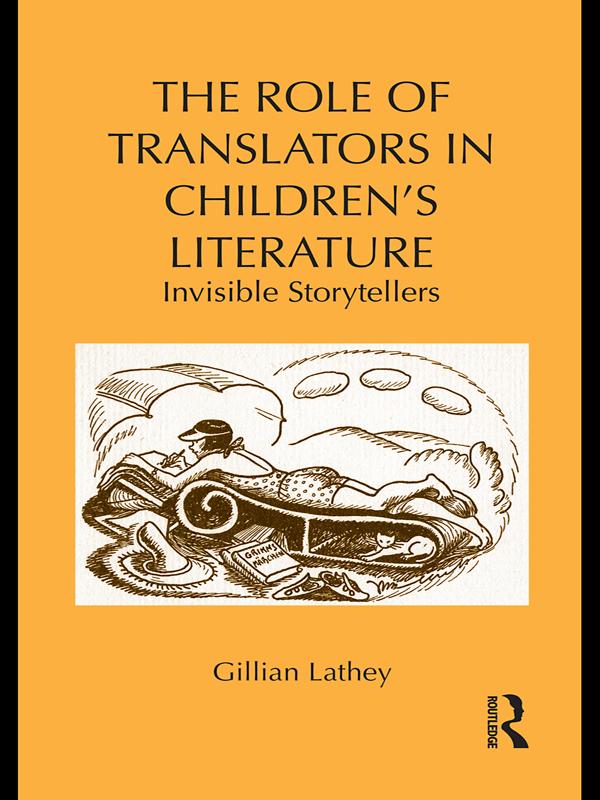
This book offers a historical analysis of key classical translated works for children, such as writings by Hans Christian Andersen and Grimms’ tales. Translations dominate the earliest history of texts written for children in English, and stories translated from other languages have continued to shape its course to the present day. Lathey traces the role of the translator and the impact of translations on the history of English-language children’s literature from the ninth century onwards. Discussions of popular texts in each era reveal fluctuations in the reception of translated children’s texts, as well as instances of cultural mediation by translators and editors. Abridgement, adaptation, and alteration by translators have often been viewed in a negative light, yet a closer examination of historical translators’ prefaces reveals a far more varied picture than that of faceless conduits or wilful censors. From William Caxton’s dedication of his translated History of Jason to young Prince Edward in 1477 (‘to thentent/he may begynne to lerne read Englissh’), to Edgar Taylor’s justification of the first translation into English of Grimms’ tales as a means of promoting children’s imaginations in an age of reason, translators have recorded in prefaces and other writings their didactic, religious, aesthetic, financial, and even political purposes for translating children’s texts.
Betal nemt med kort, Klarna, Apple Pay eller Google Pay. Ikke tilfreds? Du har altid 14 dages fortrydelsesret. Læs mere i vores vilkår. Har du spørgsmål, så send os en mail på hello@memmo.org.
Memmo gør det nemmere at studere – uanset hvor du er i verden. Hos os samler du dine kursusbøger og smarte studieværktøjer ét sted: resuméer, quizzer, podcasts og flashcards. Og så er der Ted, din studieven, der svarer på alt, du undrer dig over. Over 50 000 studerende studerer allerede her – bygget til at hjælpe dig med at lære hurtigere og stresse mindre.