
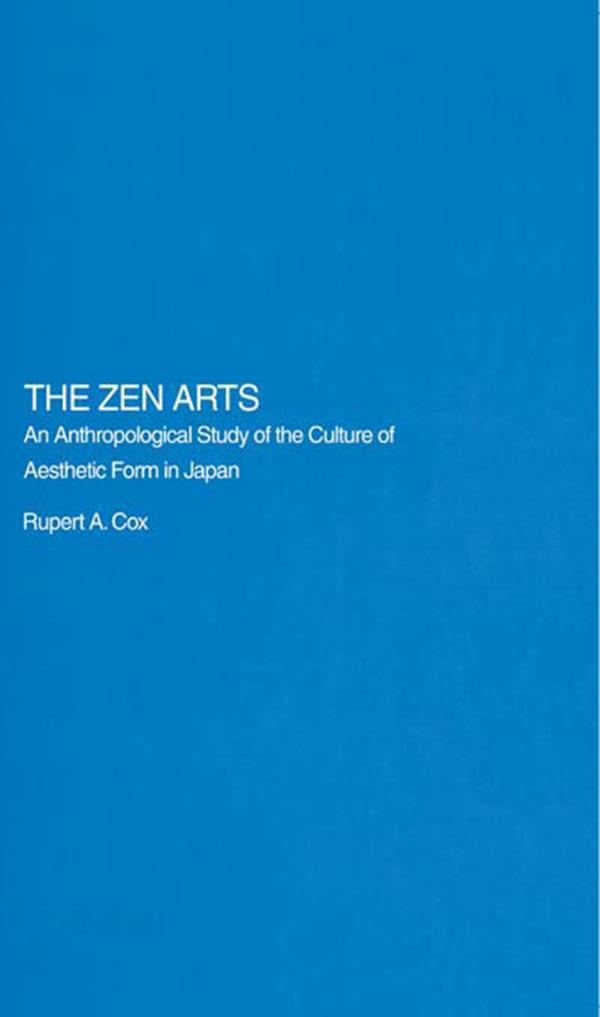
The tea ceremony and the martial arts are intimately linked in the popular and historical imagination with Zen Buddhism, and Japanese culture. They are commonly interpreted as religio-aesthetic pursuits which express core spiritual values through bodily gesture and the creation of highly valued objects. Ideally, the experience of practising the Zen arts culminates in enlightenment.
This book challenges that long-held view and proposes that the Zen arts should be understood as part of a literary and visual history of representing Japanese culture through the arts. Cox argues that these texts and images emerged fully as systems for representing the arts during the modern period, produced within Japan as a form of cultural nationalism and outside Japan as part of an orientalist discourse.
Practitioners' experiences are in fact rarely referred to in terms of Zen or art, but instead are spatially and socially grounded. Combining anthropological description with historical criticism, Cox shows that the Zen arts are best understood in terms of a dynamic relationship between an aesthetic discourse on art and culture and the social and embodied experiences of those who participate in them.
Sider: 296
Kategori: Kultur-, Genus- & Postkoloniala studier
e-ISBN: 9781136855580
Forsendelsesvægt: 1.2 kg
Sendes inden for: 1-2 dage
Betal nemt med kort, Klarna, Apple Pay eller Google Pay. Ikke tilfreds? Du har altid 14 dages fortrydelsesret. Læs mere i vores vilkår. Har du spørgsmål, så send os en mail på hello@memmo.org.
Memmo gør det nemmere at studere – uanset hvor du er i verden. Hos os samler du dine kursusbøger og smarte studieværktøjer ét sted: resuméer, quizzer, podcasts og flashcards. Og så er der Ted, din studieven, der svarer på alt, du undrer dig over. Over 50 000 studerende studerer allerede her – bygget til at hjælpe dig med at lære hurtigere og stresse mindre.
Du kan måske også lide
Køb bogen0