
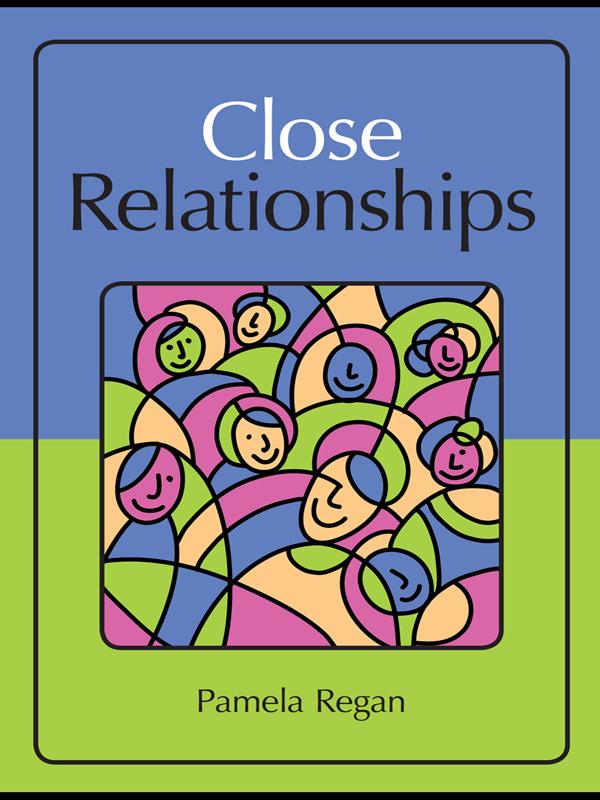
This multidisciplinary text introduces the concepts, methodologies, theories, and empirical findings of the field of interpersonal relationships. Information is drawn from psychology, communication, family studies, marriage and family therapy, social work, sociology, anthropology, the health sciences, and other disciplines. Numerous examples capture readers’ attention by demonstrating how the material is relevant to their lives.
Active learning is encouraged throughout. Each chapter includes an outline to guide students, key terms and definitions to help identify critical concepts, and exploration exercises to promote active thinking. Many chapters include measurement instruments that students can take and score themselves. A website for instructors features a test bank with multiple-choice and essay questions and Power Points for each chapter.
This text distinguishes itself with:
- Its focus on family and friend relationships as well as romantic relationships.
- Its multidisciplinary perspective highlighting the contributions to the field from a wide array of disciplines.
- Its review of the relationship experiences of a variety of people (of different age groups and cultures; heterosexual and homosexual) and relationship types (dating, cohabiting, marriage, friendships, family relationships).
- Its focus on methodology and research design with an emphasis on how to interpret empirical findings and engage in the research process.
- Cutting-edge research on "cyber-flirting" and online relationship formation; the biochemical basis of love; communication and social support; bullying and peer aggression; obsession and relational stalking; sexual violence (and marital rape); and grief and bereavement.
The book opens by examining the fundamental principles of relationship science along with the research methods commonly used. The uniquely social nature of humans is then explored including the impact relationships have on health and well-being. Part 2 focuses on relationship development—from attraction to initiation to development and maintenance as well as the factors that guide mate choice and marriage. The development of relationships in both friendships and romantic partnerships is explored. Part 3 examines the processes that shape our interpersonal experiences, including cognitive (thinking) and affective (feeling) processes, communicative and supportive processes, and the dynamics of love and sex. The book concludes with relationship challenges—rejection and betrayal; aggression and violence; conflict and loss; and therapeutic interventions.
Intended as a text for courses in interpersonal/close relationships taught in psychology, communication, sociology, anthropology, human development, family studies, marriage and family therapy, and social work, practitioners interested in the latest research on personal relationships will also appreciate this engaging overview of the field.
Betal nemt med kort, Klarna, Apple Pay eller Google Pay. Ikke tilfreds? Du har altid 14 dages fortrydelsesret. Læs mere i vores vilkår. Har du spørgsmål, så send os en mail på hello@memmo.org.
Memmo gør det nemmere at studere – uanset hvor du er i verden. Hos os samler du dine kursusbøger og smarte studieværktøjer ét sted: resuméer, quizzer, podcasts og flashcards. Og så er der Ted, din studieven, der svarer på alt, du undrer dig over. Over 50 000 studerende studerer allerede her – bygget til at hjælpe dig med at lære hurtigere og stresse mindre.