
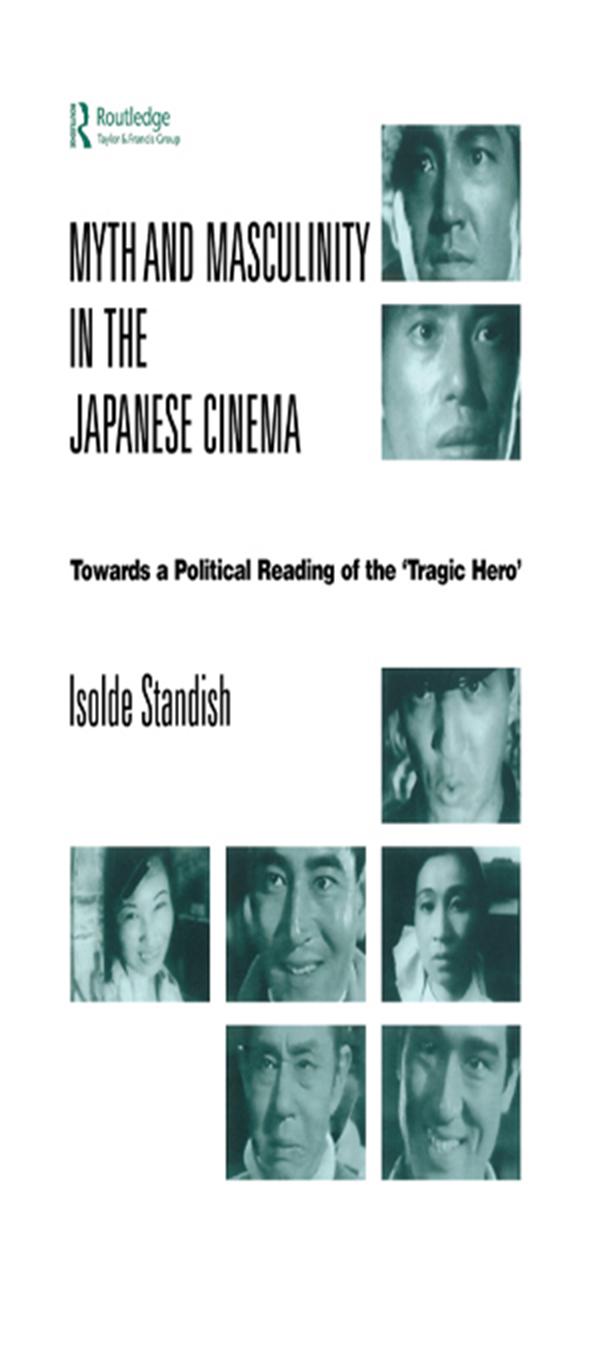
This study argues that in Japanese popular cinema the 'tragic hero' narrative is an archetypal plot-structure upon which male genres, such as the war-retro and yakuza films are based. Two central questions in relation to these post-war Japanese film genres and historical consciousness are addressed: What is the relationship between history, myth and memory? And how are individual subjectivities defined in relation to the past? The book examines the role of the 'tragic hero' narrative as a figurative structure through which the Japanese people could interpret the events of World War II and defeat, offering spectators an avenue of exculpation from a foreign-imposed sense of guilt. Also considered is the fantasy world of the nagare-mono (drifter) or yakuza film. It is suggested that one of the reasons for the great popularity of these films in the 1960s and 1970s lay in their ability to offer men meanings that could help them understand the contradictions between the reality of their everyday experiences and the ideological construction of masculinity.
Betal nemt med kort, Klarna, Apple Pay eller Google Pay. Ikke tilfreds? Du har altid 14 dages fortrydelsesret. Læs mere i vores vilkår. Har du spørgsmål, så send os en mail på hello@memmo.org.
Memmo gør det nemmere at studere – uanset hvor du er i verden. Hos os samler du dine kursusbøger og smarte studieværktøjer ét sted: resuméer, quizzer, podcasts og flashcards. Og så er der Ted, din studieven, der svarer på alt, du undrer dig over. Over 50 000 studerende studerer allerede her – bygget til at hjælpe dig med at lære hurtigere og stresse mindre.
Du kan måske også lide
Køb bogen0