
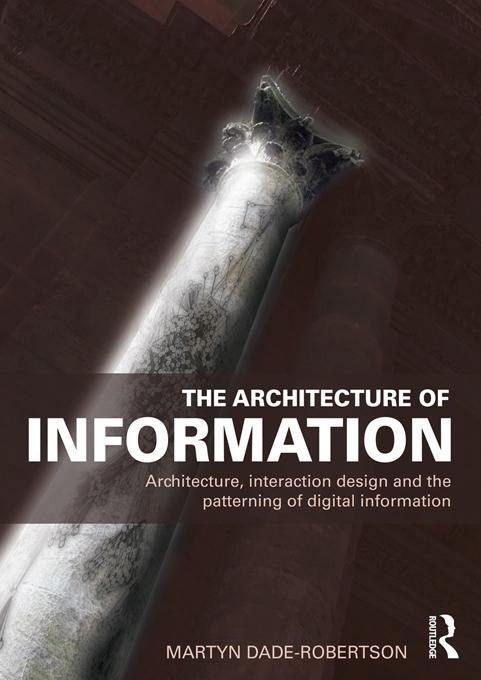
This book looks at relationships between the organization of physical objects in space and the organization of ideas. Historical, philosophical, psychological and architectural knowledge are united to develop an understanding of the relationship between information and its representation.
Despite its potential to break the mould, digital information has relied on metaphors from a pre-digital era. In particular, architectural ideas have pervaded discussions of digital information, from the urbanization of cyberspace in science fiction, through to the adoption of spatial visualizations in the design of graphical user interfaces.
This book tackles:
- the historical importance of physical places to the organization and expression of knowledge
- the limitations of using the physical organization of objects as the basis for systems of categorization and taxonomy
- the emergence of digital technologies and the twentieth century new conceptual understandings of knowledge and its organization
- the concept of disconnecting storage of information objects from their presentation and retrieval
- ideas surrounding ‘semantic space’
- the realities of the types of user interface which now dominate modern computing.
Betal nemt med kort, Klarna, Apple Pay eller Google Pay. Ikke tilfreds? Du har altid 14 dages fortrydelsesret. Læs mere i vores vilkår. Har du spørgsmål, så send os en mail på hello@memmo.org.
Memmo gør det nemmere at studere – uanset hvor du er i verden. Hos os samler du dine kursusbøger og smarte studieværktøjer ét sted: resuméer, quizzer, podcasts og flashcards. Og så er der Ted, din studieven, der svarer på alt, du undrer dig over. Over 50 000 studerende studerer allerede her – bygget til at hjælpe dig med at lære hurtigere og stresse mindre.