
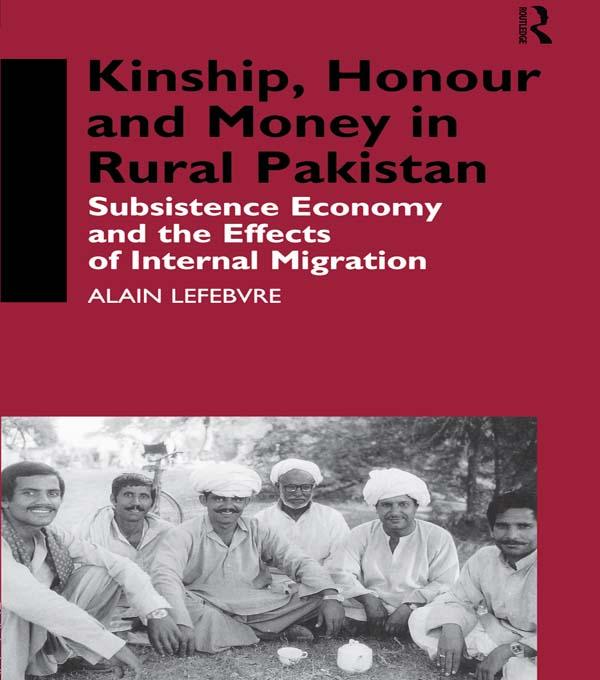
International migration is favoured by the governments of many poorer countries despite often well-publicized abuses affecting individual migrant workers. Not only is local unemployment reduced but also it is expected that the migrants will learn new skills, with many even becoming entrepreneurs on their return home. Meantime they are seen as a source of foreign remittances, providing needed capital for economic development. Such is the attitude in Pakistan from where thousands of migrant workers leave every year for the Gulf states especially.
An anthropological study approaching this issue from a local (village) level, this book focuses on two areas of the Punjab. Describing the historical passage of rural life from pre-colonial times to the present, it shows how the rural economy of the Punjab was not transformed by the green revolution - on the contrary, it is still a subsistence economy. The resulting poverty combined with Pakistan's labour-market policies forces many Punjabi men to seek work abroad, in turn bringing changes to the economic role of the women left behind. Remittances from abroad have brought further changes on the economic and social life of the villages but not, as expected, to bring economic development let alone capital or entrepreneurialism to the area.
Betal nemt med kort, Klarna, Apple Pay eller Google Pay. Ikke tilfreds? Du har altid 14 dages fortrydelsesret. Læs mere i vores vilkår. Har du spørgsmål, så send os en mail på hello@memmo.org.
Memmo gør det nemmere at studere – uanset hvor du er i verden. Hos os samler du dine kursusbøger og smarte studieværktøjer ét sted: resuméer, quizzer, podcasts og flashcards. Og så er der Ted, din studieven, der svarer på alt, du undrer dig over. Over 50 000 studerende studerer allerede her – bygget til at hjælpe dig med at lære hurtigere og stresse mindre.