
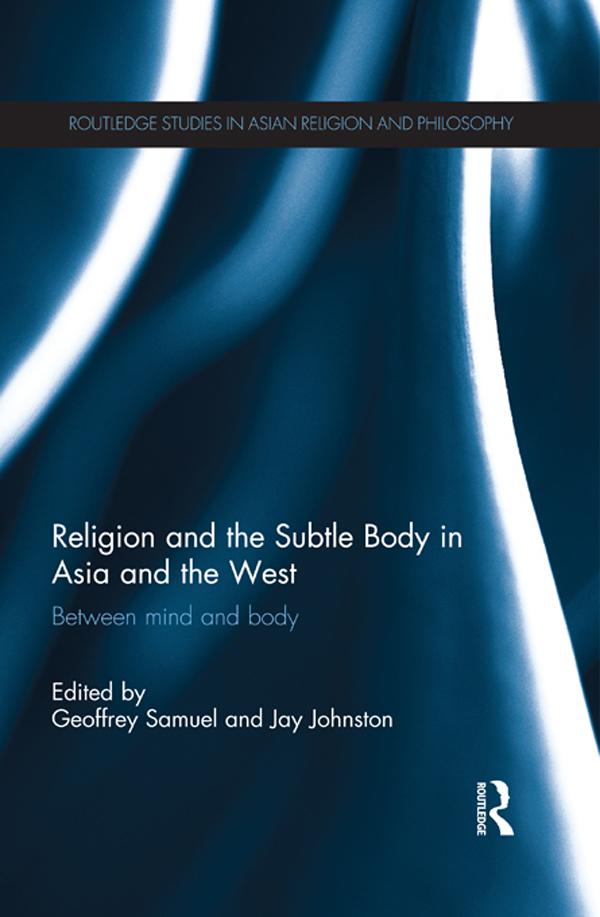
Subtle-body practices are found particularly in Indian, Indo-Tibetan and East Asian societies, but have become increasingly familiar in Western societies, especially through the various healing and yogic techniques and exercises associated with them. This book explores subtle-body practices from a variety of perspectives, and includes both studies of these practices in Asian and Western contexts.
The book discusses how subtle-body practices assume a quasi-material level of human existence that is intermediate between conventional concepts of body and mind. Often, this level is conceived of in terms of an invisible structure of channels, associated with the human body, through which flows of quasi-material substance take place. Contributors look at how subtle-body concepts form the basic explanatory structure for a wide range of practices. These include forms of healing, modes of exercise and martial arts as well as religious practices aimed at the refinement and transformation of the human mindbody complex.
By highlighting how subtle-body practices of many kinds have been introduced into Western societies in recent years, the book explores the possibilities for new models of understanding which these concepts open up. It is a useful contribution to studies on Asian Religion and Philosophy.
Betal nemt med kort, Klarna, Apple Pay eller Google Pay. Ikke tilfreds? Du har altid 14 dages fortrydelsesret. Læs mere i vores vilkår. Har du spørgsmål, så send os en mail på hello@memmo.org.
Memmo gør det nemmere at studere – uanset hvor du er i verden. Hos os samler du dine kursusbøger og smarte studieværktøjer ét sted: resuméer, quizzer, podcasts og flashcards. Og så er der Ted, din studieven, der svarer på alt, du undrer dig over. Over 50 000 studerende studerer allerede her – bygget til at hjælpe dig med at lære hurtigere og stresse mindre.