
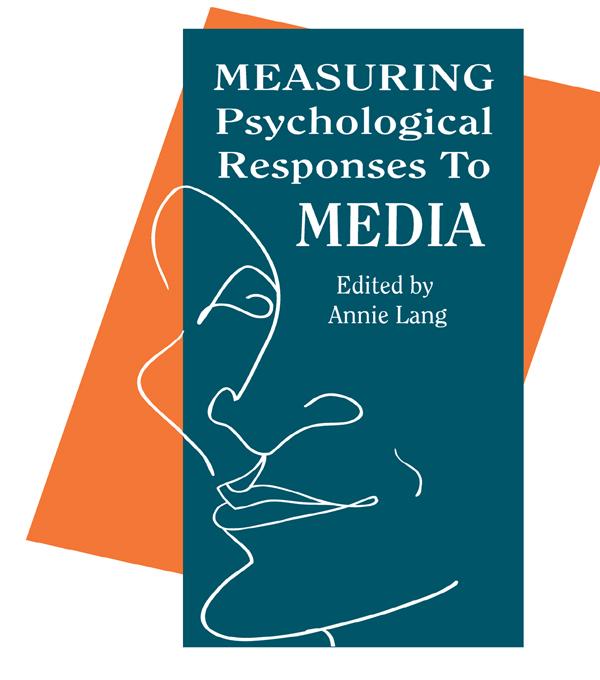
Characterized by its multi-level interdisciplinary character, communication has become a variable field -- one in which the level of analysis varies. This has had important ramifications for the study of communication because, to some extent, the questions one asks are determined by the methods one has available to answer them. As a result, communication research is characterized by the plethora of both qualitative and quantitative approaches used by its practitioners. These include survey and experimental methods, and content, historical, and rhetorical analyses.
A variety of tools has been developed in cognitive psychology and psychophysiology which attempts to measure "thinking" without asking people how they do it. This book is devoted to exploring how these methods might be used to further knowledge about the process of communication. The methods chosen have all been used extensively in cognitive and experimental psychology. Each chapter in this book is designed to describe the history of the method being introduced, the theory behind it, how to go about using it, and how it has already been used to study some area of communication. The methods introduced here vary widely in terms of the amount of equipment and training needed to use them. Some require only theoretical knowledge and a paper and pencil; others require more elaborate hardware and software for implementation. These methods also vary widely in terms of what sorts of variables they can be used to measure. Some of them adapt quite readily to traditional communication variables like persuasion, attitude change, and knowledge; others are more applicable to process type variables such as attention, arousal, involvement, encoding, and retrieval.
Betal nemt med kort, Klarna, Apple Pay eller Google Pay. Ikke tilfreds? Du har altid 14 dages fortrydelsesret. Læs mere i vores vilkår. Har du spørgsmål, så send os en mail på hello@memmo.org.
Memmo gør det nemmere at studere – uanset hvor du er i verden. Hos os samler du dine kursusbøger og smarte studieværktøjer ét sted: resuméer, quizzer, podcasts og flashcards. Og så er der Ted, din studieven, der svarer på alt, du undrer dig over. Over 50 000 studerende studerer allerede her – bygget til at hjælpe dig med at lære hurtigere og stresse mindre.