
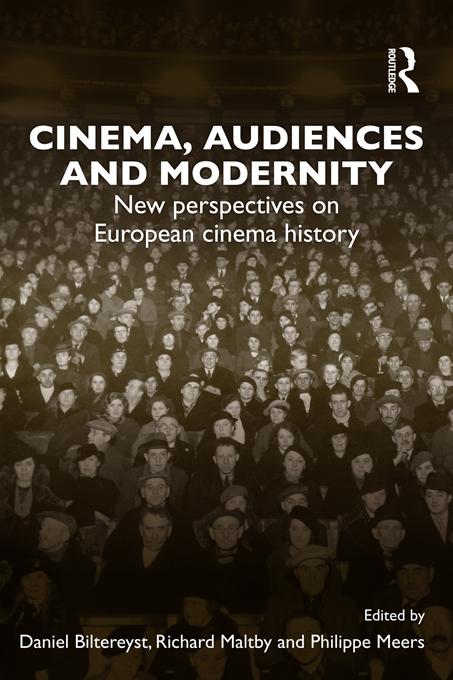
This book sheds new light on the cinema and modernity debate by confronting established theories on the role of the modern cinematic experience with new empirical work on the history of the social experience of cinema-going, film audiences and film exhibition.
The book provides a wide range of research methodologies and perspectives on these matters, including:
- the use of oral history methods
- questionnaires
- diaries
- audience letters
- as well as industrial, sociological and other accounts on historical film audiences.
The collection’s case studies thus provide a "how to" compendium of current methodologies for researchers and students working on film and media audiences, film and media experiences, and historical reception.
The volume is part of a ‘new cinema history’ effort within film and screen studies to look at film history not only as a history of production, textual relations or movies-as-artefacts, but rather to concentrate more on the receiving end, the social experience of cinema, and the engagement of film/cinema (history) ‘from below’. The contributions to the volume reflect upon the very different ways in which cinema has been accepted, rejected or disciplined as an agent of modernity in neighbouring parts of Europe, and how cinema-going has been promoted and regulated as a popular social practice at different times in twentieth-century European history.
Betal nemt med kort, Klarna, Apple Pay eller Google Pay. Ikke tilfreds? Du har altid 14 dages fortrydelsesret. Læs mere i vores vilkår. Har du spørgsmål, så send os en mail på hello@memmo.org.
Memmo gør det nemmere at studere – uanset hvor du er i verden. Hos os samler du dine kursusbøger og smarte studieværktøjer ét sted: resuméer, quizzer, podcasts og flashcards. Og så er der Ted, din studieven, der svarer på alt, du undrer dig over. Over 50 000 studerende studerer allerede her – bygget til at hjælpe dig med at lære hurtigere og stresse mindre.