
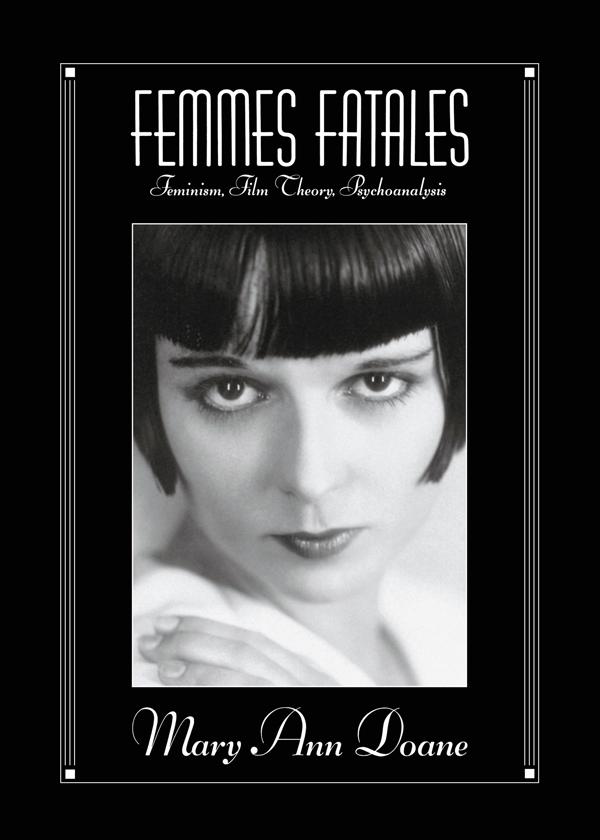
In this work of feminist film criticism, Mary Ann Doane examines questions of sexual difference and knowledge in cinematic, theoretical, and psychoanalytic discourses. "Femmes Fatales" examines Freud, the female spectator, the meaning of the close-up, and the nature of stardom. Doane's analyses of such figures as Pabst's Lulu and Rita Hayworth's Gilda trace the thematics and mechanics of maskes, masquerade, and veiling, with specific attention to the form and technology of the cinema. Working through and against the intellectual frameworks of post-structuralist and psychoanalytic theory, Doane interrogates cinematic and theoretical claims to truth about women which rely on judgements about vision and its stability or instability. Reflecting the shift in conceptual priorities within feminist film theory over the last decade, "Femmes Fatales" addresses debates over female spectatorhsip, essentialism and anti-essentialism, the tensions between psychoanalysis and history, and the relations between racial and sexual difference. Doane's nuanced and original readings of the "femme fatale" in cinema illustrate confrontations between feminism, film theory and psychoanalysis. This book should be of interest to students and lecturers in women's studies, communications studies and film theory.
Betal nemt med kort, Klarna, Apple Pay eller Google Pay. Ikke tilfreds? Du har altid 14 dages fortrydelsesret. Læs mere i vores vilkår. Har du spørgsmål, så send os en mail på hello@memmo.org.
Memmo gør det nemmere at studere – uanset hvor du er i verden. Hos os samler du dine kursusbøger og smarte studieværktøjer ét sted: resuméer, quizzer, podcasts og flashcards. Og så er der Ted, din studieven, der svarer på alt, du undrer dig over. Over 50 000 studerende studerer allerede her – bygget til at hjælpe dig med at lære hurtigere og stresse mindre.
Du kan måske også lide
Køb bogen0