
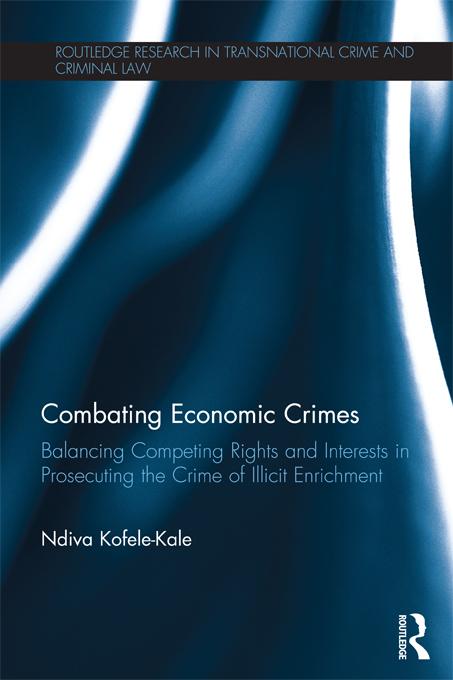
In the last decade a new tool has been developed in the global war against official corruption through the introduction of the offense of "illicit enrichment" in almost every multilateral anti-corruption convention. Illicit enrichment is defined in these conventions to include a reverse burden clause which triggers an automatic presumption that any public official found in "possession of inexplicable wealth" must have acquired it illicitly. However, the reversal of the burden of proof clauses raises an important human rights issue because they conflict with the accused individual’s right to be presumed innocent. Unfortunately, the recent spate of international legislation against official corruption provides no clear guidelines on how to proceed in balancing the right of the accused to be presumed innocent against the competing right of society to trace and recapture illicitly acquired national wealth.
Combating Economic Crimes
Betal nemt med kort, Klarna, Apple Pay eller Google Pay. Ikke tilfreds? Du har altid 14 dages fortrydelsesret. Læs mere i vores vilkår. Har du spørgsmål, så send os en mail på hello@memmo.org.
Memmo gør det nemmere at studere – uanset hvor du er i verden. Hos os samler du dine kursusbøger og smarte studieværktøjer ét sted: resuméer, quizzer, podcasts og flashcards. Og så er der Ted, din studieven, der svarer på alt, du undrer dig over. Over 50 000 studerende studerer allerede her – bygget til at hjælpe dig med at lære hurtigere og stresse mindre.