
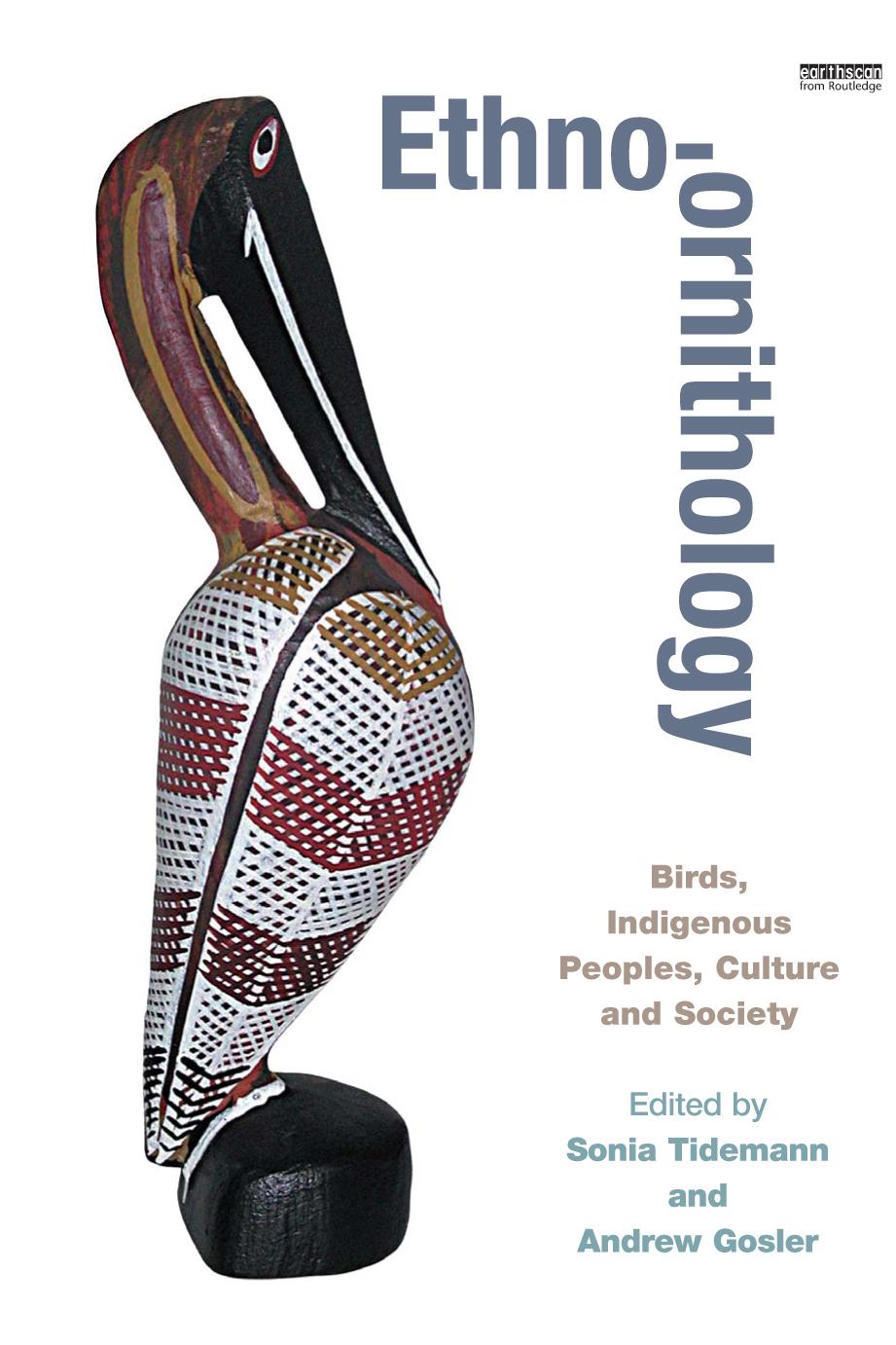
Indigenous knowledge that embraces ornithology takes in whole social dimensions that are inter-linked with environmental ethos, conservation and management for sustainability. In contrast, western approaches have tended to reduce knowledge to elemental and material references. This book looks at the significance of indigenous knowledge of birds and their cultural significance, and how these can assist in framing research methods of western scientists working in related areas.
As well as its knowledge base, this book provides practical advice for professionals in conservation and anthropology by demonstrating the relationship between mutual respect, local participation and the building of partnerships for the resolution of joint problems. It identifies techniques that can be transferred to different regions, environments and collections, as well as practices suitable for investigation, adaptation and improvement of knowledge exchange and collection in ornithology.
The authors take anthropologists and biologists who have been trained in, and largely continue to practise from, a western reductionist approach, along another path - one that presents ornithological knowledge from alternative perspectives, which can enrich the more common approaches to ecological and other studies as well as plans of management for conservation.
Betal nemt med kort, Klarna, Apple Pay eller Google Pay. Ikke tilfreds? Du har altid 14 dages fortrydelsesret. Læs mere i vores vilkår. Har du spørgsmål, så send os en mail på hello@memmo.org.
Memmo gør det nemmere at studere – uanset hvor du er i verden. Hos os samler du dine kursusbøger og smarte studieværktøjer ét sted: resuméer, quizzer, podcasts og flashcards. Og så er der Ted, din studieven, der svarer på alt, du undrer dig over. Over 50 000 studerende studerer allerede her – bygget til at hjælpe dig med at lære hurtigere og stresse mindre.