
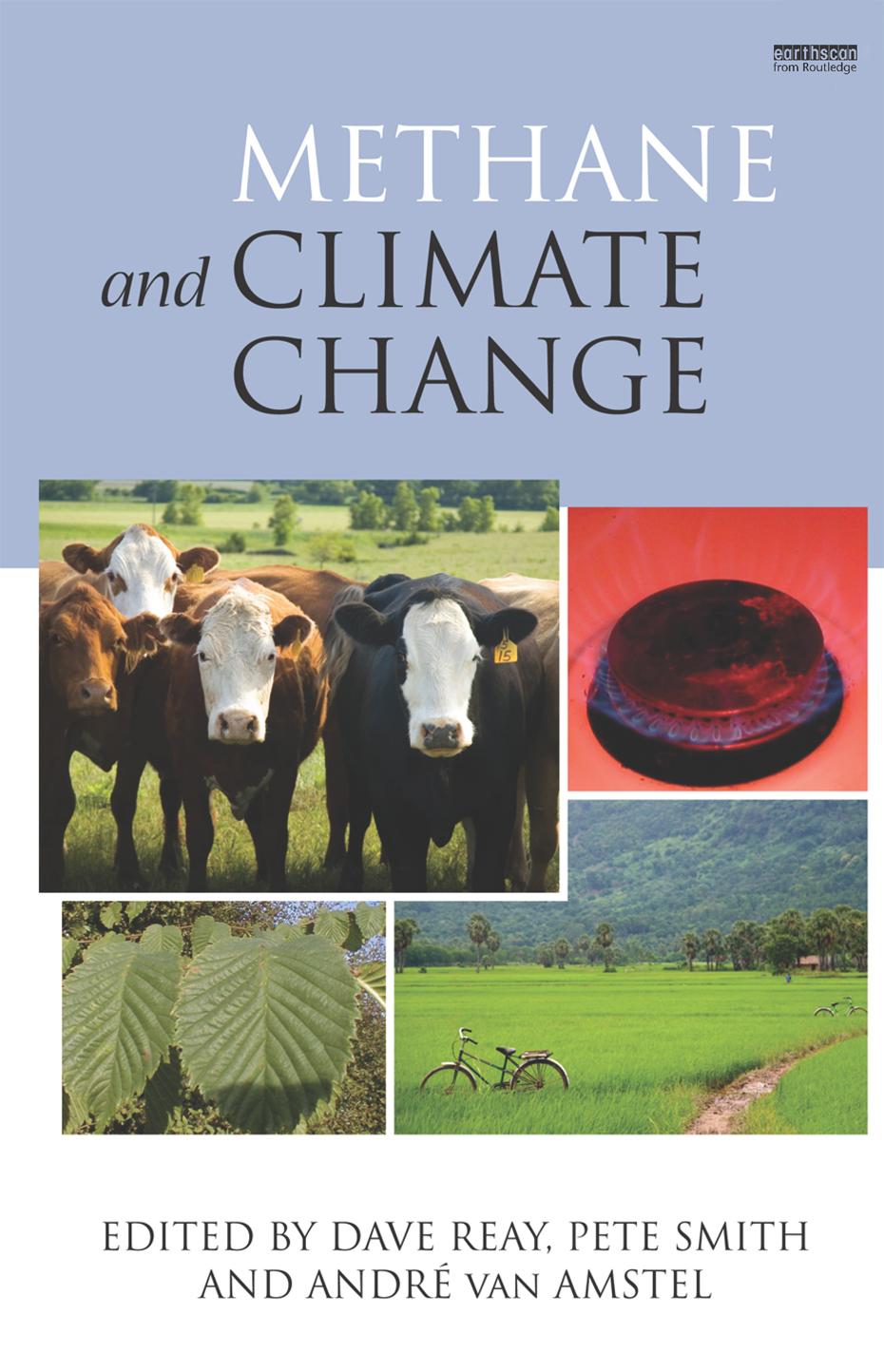
Methane is a powerful greenhouse gas and is estimated to be responsible for approximately one-fifth of man-made global warming. Per kilogram, it is 25 times more powerful than carbon dioxide over a 100-year time horizon -- and global warming is likely to enhance methane release from a number of sources. Current natural and man-made sources include many where methane-producing micro-organisms can thrive in anaerobic conditions, particularly ruminant livestock, rice cultivation, landfill, wastewater, wetlands and marine sediments.
This timely and authoritative book provides the only comprehensive and balanced overview of our current knowledge of sources of methane and how these might be controlled to limit future climate change. It describes how methane is derived from the anaerobic metabolism of micro-organisms, whether in wetlands or rice fields, manure, landfill or wastewater, or the digestive systems of cattle and other ruminant animals. It highlights how sources of methane might themselves be affected by climate change. It is shown how numerous point sources of methane have the potential to be more easily addressed than sources of carbon dioxide and therefore contribute significantly to climate change mitigation in the 21st century.
Betal nemt med kort, Klarna, Apple Pay eller Google Pay. Ikke tilfreds? Du har altid 14 dages fortrydelsesret. Læs mere i vores vilkår. Har du spørgsmål, så send os en mail på hello@memmo.org.
Memmo gør det nemmere at studere – uanset hvor du er i verden. Hos os samler du dine kursusbøger og smarte studieværktøjer ét sted: resuméer, quizzer, podcasts og flashcards. Og så er der Ted, din studieven, der svarer på alt, du undrer dig over. Over 50 000 studerende studerer allerede her – bygget til at hjælpe dig med at lære hurtigere og stresse mindre.