
Før Memmo var mine noter spredt ud over PDF'er. Nu samler et workspace alt ét sted – og jeg ser præcis, hvad der er tilbage at læse op på.
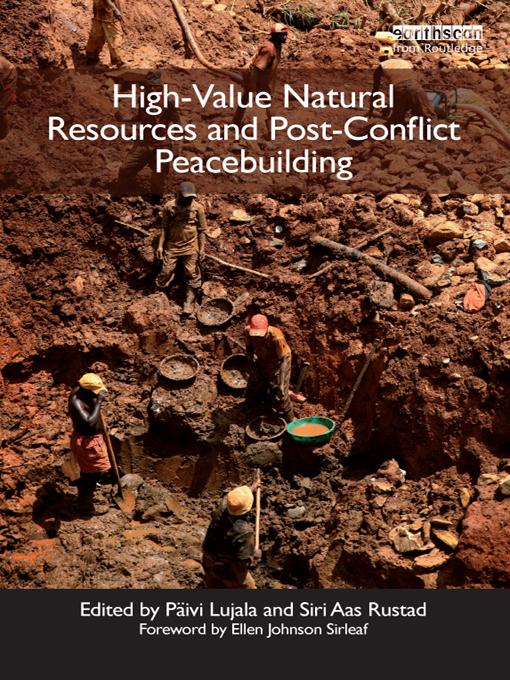
For most post-conflict countries, the transition to peace is daunting. In countries with high-value natural resources – including oil, gas, diamonds, other minerals, and timber –the stakes are unusually high and peacebuilding is especially challenging. Resource-rich post-conflict countries face both unique problems and opportunities. They enter peacebuilding with an advantage that distinguishes them from other war-torn societies: access to natural resources that can yield substantial revenues for alleviating poverty, compensating victims, creating jobs, and rebuilding the country and the economy. Evidence shows, however, that this opportunity is often wasted. Resource-rich countries do not have a better record in sustaining peace. In fact, resource-related conflicts are more likely to relapse.
Focusing on the relationship between high-value natural resources and peacebuilding in post-conflict settings, this book identifies opportunities and strategies for converting resource revenues to a peaceful future. Its thirty chapters draw on the experiences of forty-one researchers and practitioners – as well as the broader literature – and cover a range of key issues, including resource extraction, revenue sharing and allocation, and institution building. The book provides a concise theoretical and practical framework that policy makers, researchers, practitioners, and students can use to understand and address the complex interplay between the management of high-value resources and peace.
High-Value Natural Resources and Post-Conflict Peacebuilding is part of a global initiative led by the Environmental Law Institute (ELI), the United Nations Environment Programme (UNEP), the University of Tokyo, and McGill University to identify and analyze lessons in natural resource management and post-conflict peacebuilding. The project has generated six edited books of case studies and analyses, with contributions from practitioners, policy makers, and researchers. Other books in the series address land; water; livelihoods; assessing and restoring natural resources; and governance.
Før Memmo var mine noter spredt ud over PDF'er. Nu samler et workspace alt ét sted – og jeg ser præcis, hvad der er tilbage at læse op på.
Memmos opsummeringer er guld inden eksamen. Jeg slipper for at genlæse 800 sider to uger før – kun de vigtigste dele.
AI-chatten har reddet mig aftenen før en eksamen mere end én gang. Jeg spørger, indtil jeg forstår det – og slipper for at vente på svar i en studiegruppe.
Quizzen rammer præcis det, jeg skal kunne. Memmo holder øje med, hvad jeg har svært ved – så jeg øver mig kun på det, der er det værd.
Flashcards med spaced repetition er magi. Memmo ved, når jeg er ved at glemme noget, og viser det igen.
AI-podcasts er min favorit. Jeg lytter på vej til skole og får en opsummering uden at sidde foran en computer.

Handbok i kvalitativa metoder
281 kr

Hållbar utveckling: en introduktion för ingenjörer och andra problemlösare
334 kr

Brymans Samhällsvetenskapliga metoder
390 kr

Projektledning
491 kr

Den orättvisa hälsan: om socioekonomiska skillnader i hälsa och livslängd
326 kr

Organizational Leadership
429 kr

Vetenskapsteori för nybörjare
196 kr

På väg mot läraryrket
172 kr

Det sociala livet i skolan: Socialpsykologiska perspektiv
253 kr

Betygsättningens didaktik
151 kr

Personality
402 kr

Studying Leadership
404 kr

Managing Innovation
477 kr

Introduktion till samhällsvetenskaplig metod
347 kr

The Psychology of Sex and Gender
698 kr

Evidens och kunskap för socialt arbete
207 kr

Introduction to Leadership
605 kr