
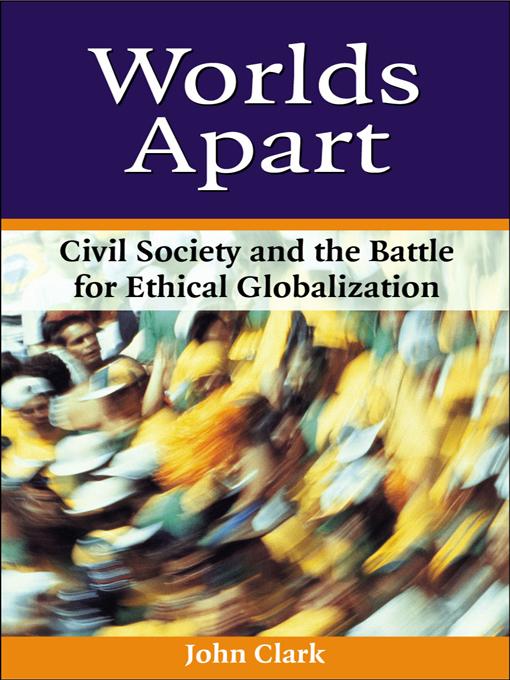
Globalization is one of the most politically charged issues of our time. This book aims to bridge the divide between its advocates and its critics, but, rather than trying to find middle ground, the author looks at globalization through the lens of poor people and poor countries, arguing for a different management of global changes that ensures everyone a share in its opportunities. His is a call for ethical globalization. An influential and globalizing civil society has a great opportunity to be a critical player - but this could be a brief window. Its advocacy largely pillories deficiencies in the system instead of promoting viable alternatives. The author seeks to change this by applying his experience from both sides of the ideological divide - working with NGOs, governments and the World Bank - to analyse the system's faults and suggest a fresh framework for transforming global relations and redressing injustices.
Betal nemt med kort, Klarna, Apple Pay eller Google Pay. Ikke tilfreds? Du har altid 14 dages fortrydelsesret. Læs mere i vores vilkår. Har du spørgsmål, så send os en mail på hello@memmo.org.
Memmo gør det nemmere at studere – uanset hvor du er i verden. Hos os samler du dine kursusbøger og smarte studieværktøjer ét sted: resuméer, quizzer, podcasts og flashcards. Og så er der Ted, din studieven, der svarer på alt, du undrer dig over. Over 50 000 studerende studerer allerede her – bygget til at hjælpe dig med at lære hurtigere og stresse mindre.
Du kan måske også lide
Køb bogen0