
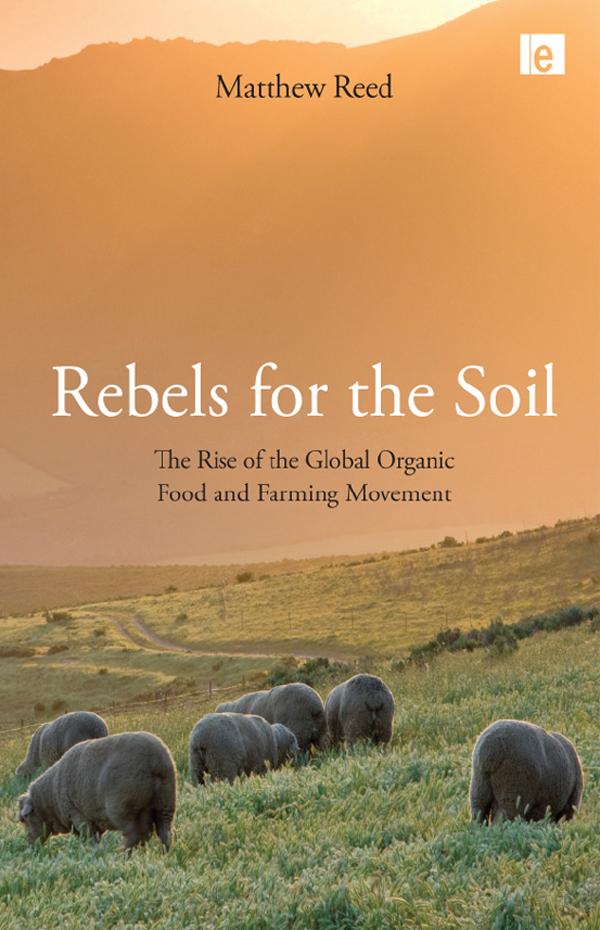
This book investigates the emergence of organic food and farming as a social movement. Using the tools of political sociology it analyzes and explains how both people and ideas have shaped a movement that from its inception aimed to change global agriculture. Starting from the British Empire in the 1930's, where the first trans-national roots of organic farming took hold, through to the internet-mediated social protests against genetically modified crops at the end of the twentieth century, the author traces the rise to prominence of the movement. As well as providing a historical account, the book explains the movement's on-going role in fostering and organising alternatives to the dominant intensive and industrial forms of agriculture, such as promoting local food produce and animal welfare.
By considering it as a trans-national movement from its inception, aiming at cultural and social change, the book highlights what is unique about the organic movement and why it has risen only relatively recently to public attention. The author reports original research findings, focusing largely on the English-speaking world. The work is grounded in academic enquiry and theory, but also provides a narrative through which the movement can be understood by the more general interested reader.
Betal nemt med kort, Klarna, Apple Pay eller Google Pay. Ikke tilfreds? Du har altid 14 dages fortrydelsesret. Læs mere i vores vilkår. Har du spørgsmål, så send os en mail på hello@memmo.org.
Memmo gør det nemmere at studere – uanset hvor du er i verden. Hos os samler du dine kursusbøger og smarte studieværktøjer ét sted: resuméer, quizzer, podcasts og flashcards. Og så er der Ted, din studieven, der svarer på alt, du undrer dig over. Over 50 000 studerende studerer allerede her – bygget til at hjælpe dig med at lære hurtigere og stresse mindre.