
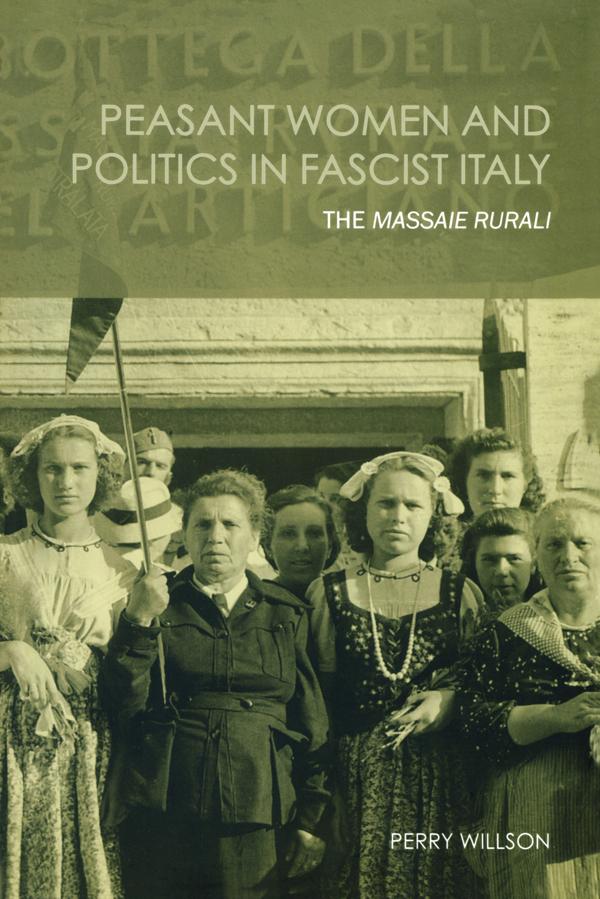
Peasant women were the largest female occupational group in Italy between the wars. They led lives characterised by great poverty and heavy workloads, but Fascist propaganda extolled them as the mothers of the nation and the guardians of the rural worlds, the most praiseworthy of Italian women.
This study is the first published history of the Massaie Rurali, the Fascist Party's section for peasant women, which, with three million members by 1943, became one of the largest of the regime's mass mobilizing organizations. The section played a key role in such core fascist campaigns as nation-building and ruralization. Perry Willson draws on a wide range of archival and contemporary press sources to investigate the nature of the Massaie Rurali and the dynamics of class and gender that lay at its heart. She explores the organization's political message, its propaganda and the reasons why so many women joined it.
Betal nemt med kort, Klarna, Apple Pay eller Google Pay. Ikke tilfreds? Du har altid 14 dages fortrydelsesret. Læs mere i vores vilkår. Har du spørgsmål, så send os en mail på hello@memmo.org.
Memmo gør det nemmere at studere – uanset hvor du er i verden. Hos os samler du dine kursusbøger og smarte studieværktøjer ét sted: resuméer, quizzer, podcasts og flashcards. Og så er der Ted, din studieven, der svarer på alt, du undrer dig over. Over 50 000 studerende studerer allerede her – bygget til at hjælpe dig med at lære hurtigere og stresse mindre.