
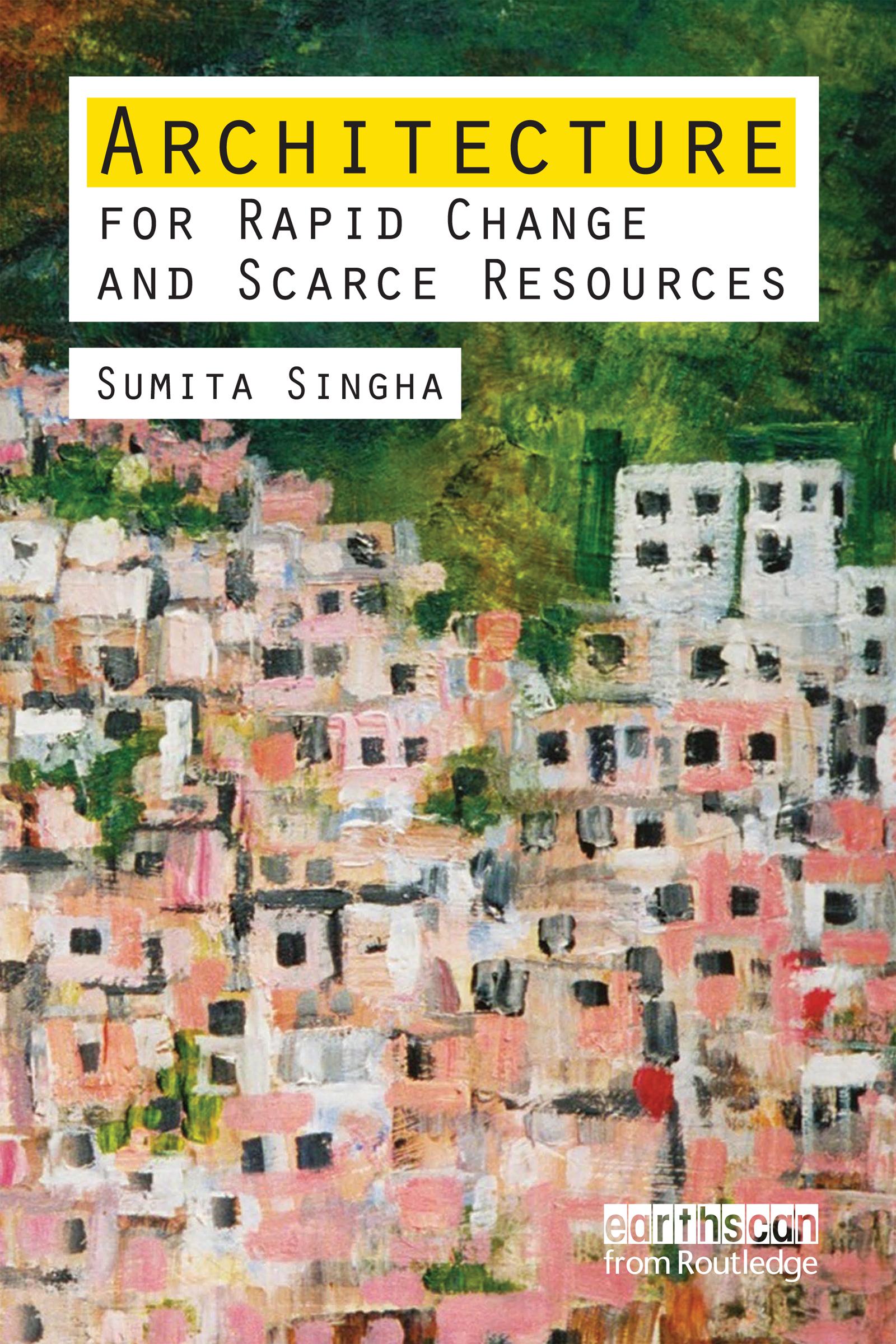
Architects, development practitioners and designers are working in a global environment and issues such as environmental and cultural sustainability matter more than ever. Past interactions and interventions between developed and developing countries have often been unequal and inappropriate. We now need to embrace fresh design practices based on respect for diversity and equality, participation and empowerment.
This book explores what it means for development activists to practise architecture on a global scale, and provides a blueprint for developing architectural practices based on reciprocal working methods. The content is based on real situations - through extended field research and contacts with architecture schools and architects, as well as participating NGOs. It demonstrates that the ability to produce appropriate and sustainable design is increasingly relevant, whether in the field of disaster relief, longer-term development or wider urban contexts, both in rich countries and poor countries.
Betal nemt med kort, Klarna, Apple Pay eller Google Pay. Ikke tilfreds? Du har altid 14 dages fortrydelsesret. Læs mere i vores vilkår. Har du spørgsmål, så send os en mail på hello@memmo.org.
Memmo gør det nemmere at studere – uanset hvor du er i verden. Hos os samler du dine kursusbøger og smarte studieværktøjer ét sted: resuméer, quizzer, podcasts og flashcards. Og så er der Ted, din studieven, der svarer på alt, du undrer dig over. Over 50 000 studerende studerer allerede her – bygget til at hjælpe dig med at lære hurtigere og stresse mindre.