
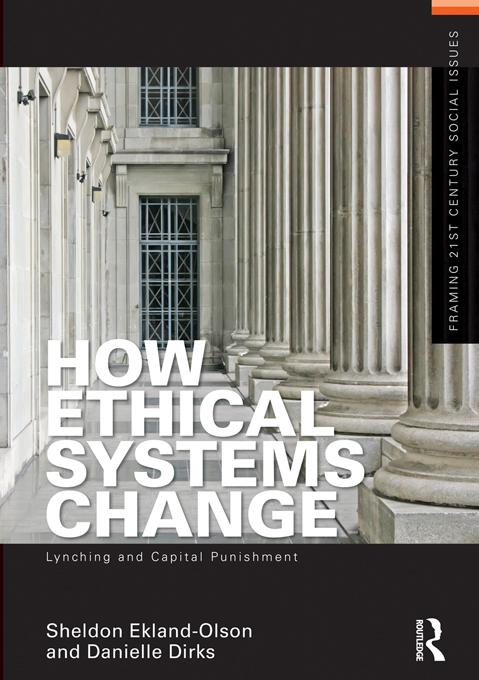
Slavery, lynching and capital punishment were interwoven in the United States and by the mid-twentieth century these connections gave rise to a small but well-focused reform movement. Biased and perfunctory procedures were replaced by prolonged trials and appeals, which some found messy and meaningless; DNA profiling clearly established innocent persons had been sentenced to death. The debate over taking life to protect life continues; this book is based on a hugely popular undergraduate course taught at the University of Texas, and is ideal for those interested in criminal justice, social problems, social inequality, and social movements.
This book is an excerpt from a larger text, Who Lives, Who Dies, Who Decides?, http://www.routledge.com/9780415892476/
Betal nemt med kort, Klarna, Apple Pay eller Google Pay. Ikke tilfreds? Du har altid 14 dages fortrydelsesret. Læs mere i vores vilkår. Har du spørgsmål, så send os en mail på hello@memmo.org.
Memmo gør det nemmere at studere – uanset hvor du er i verden. Hos os samler du dine kursusbøger og smarte studieværktøjer ét sted: resuméer, quizzer, podcasts og flashcards. Og så er der Ted, din studieven, der svarer på alt, du undrer dig over. Over 50 000 studerende studerer allerede her – bygget til at hjælpe dig med at lære hurtigere og stresse mindre.