
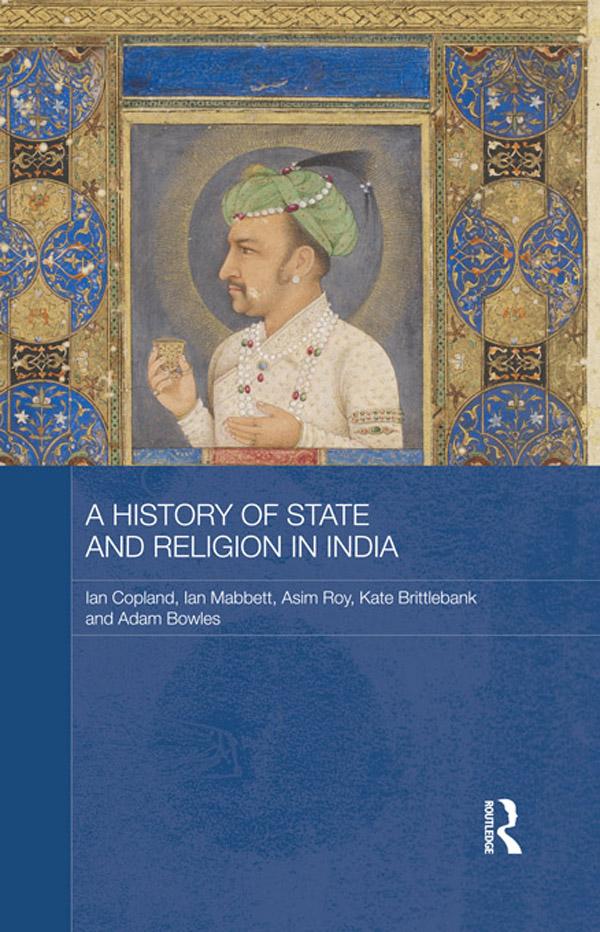
Offering the first long-duration analysis of the relationship between the state and religion in South Asia, this book looks at the nature and origins of Indian secularism. It interrogates the proposition that communalism in India is wholly a product of colonial policy and modernisation, questions whether the Indian state has generally been a benign, or disruptive, influence on public religious life, and evaluates the claim that the region has spawned a culture of practical toleration.
The book is structured around six key arenas of interaction between state and religion: cow worship and sacrifice, control of temples and shrines, religious festivals and processions, proselytising and conversion, communal riots, and religious teaching/doctrine and family law. It offers a challenging argument about the role of the state in religious life in a historical continuum, and identifies points of similarity and contrast between periods and regimes. The book makes a significant contribution to the literature on South Asian History and Religion.
Betal nemt med kort, Klarna, Apple Pay eller Google Pay. Ikke tilfreds? Du har altid 14 dages fortrydelsesret. Læs mere i vores vilkår. Har du spørgsmål, så send os en mail på hello@memmo.org.
Memmo gør det nemmere at studere – uanset hvor du er i verden. Hos os samler du dine kursusbøger og smarte studieværktøjer ét sted: resuméer, quizzer, podcasts og flashcards. Og så er der Ted, din studieven, der svarer på alt, du undrer dig over. Over 50 000 studerende studerer allerede her – bygget til at hjælpe dig med at lære hurtigere og stresse mindre.