
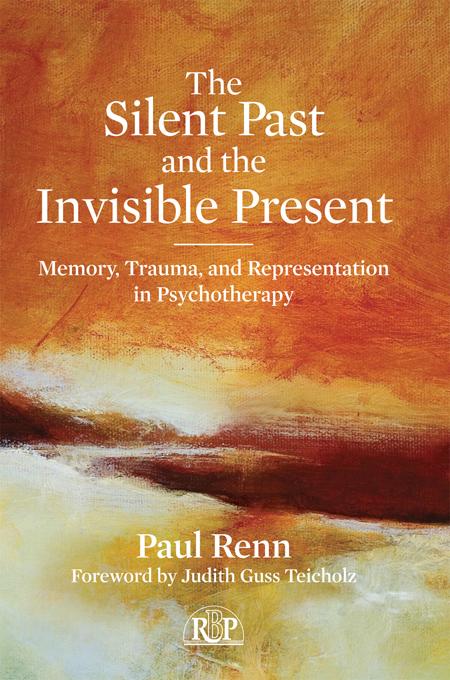
Drawing on research in the fields of cognitive and developmental psychology, attachment, trauma, and neuroscience, as well as 20 years in forensic and private practice, Paul Renn deftly illustrates the ways in which this research may be used to inform an integrated empirical/hermeneutic model of clinical practice. He suggests that silent, invisible processes derived from the past maintain non-optimal ways of experiencing and relating in the present, and that a neuroscience understanding of the dynamic nature of memories, and of the way in which the implicit and explicit memory systems operate and interact, is salient to a concomitant understanding of trauma, personality development, and therapeutic action. Specifically, Renn argues that an intersubjective psychodynamic model can use the power of an emotionally meaningful therapeutic relationship to gradually facilitate both relational and neurological changes in patients with trauma histories. Taken as a whole, these themes reflect a paradigmatic shift in psychoanalytic thinking about clinical work and the process of change.
Betal nemt med kort, Klarna, Apple Pay eller Google Pay. Ikke tilfreds? Du har altid 14 dages fortrydelsesret. Læs mere i vores vilkår. Har du spørgsmål, så send os en mail på hello@memmo.org.
Memmo gør det nemmere at studere – uanset hvor du er i verden. Hos os samler du dine kursusbøger og smarte studieværktøjer ét sted: resuméer, quizzer, podcasts og flashcards. Og så er der Ted, din studieven, der svarer på alt, du undrer dig over. Over 50 000 studerende studerer allerede her – bygget til at hjælpe dig med at lære hurtigere og stresse mindre.
Du kan måske også lide
Køb bogen0