
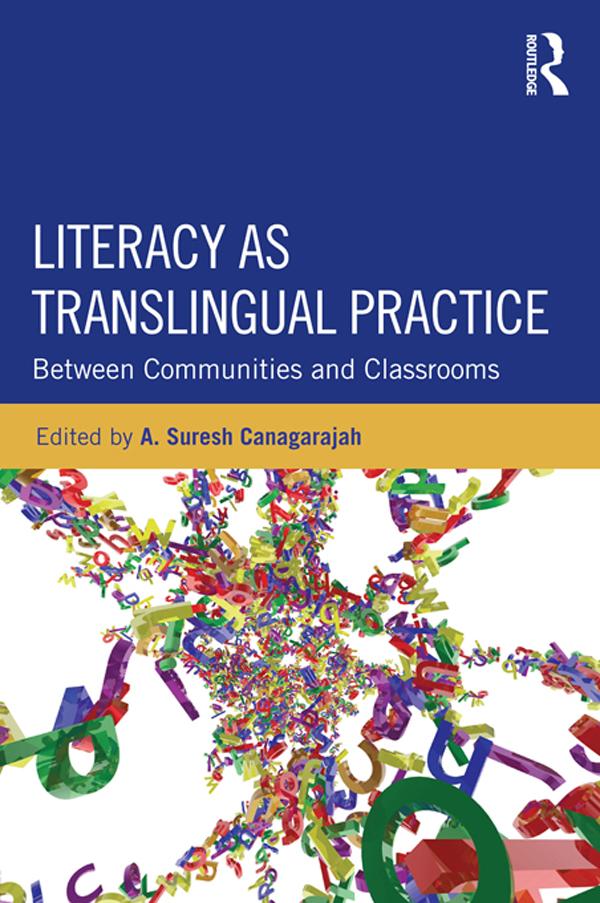
The term translingual highlights the reality that people always shuttle across languages, communicate in hybrid languages and, thus, enjoy multilingual competence. In the context of migration, transnational economic and cultural relations, digital communication, and globalism, increasing contact is taking place between languages and communities. In these contact zones new genres of writing and new textual conventions are emerging that go beyond traditional dichotomies that treat languages as separated from each other, and texts and writers as determined by one language or the other.
Pushing forward a translingual orientation to writing—one that is in tune with the new literacies and communicative practices flowing into writing classrooms and demanding new pedagogies and policies— this volume is structured around five concerns: refining the theoretical premises, learning from community practices, debating the role of code meshed products, identifying new research directions, and developing sound pedagogical applications. These themes are explored by leading scholars from L1 and L2 composition, rhetoric and applied linguistics, education theory and classroom practice, and diverse ethnic rhetorics. Timely and much needed, Literacy as Translingual Practice is essential reading for students, researchers, and practitioners across these fields.
Betal nemt med kort, Klarna, Apple Pay eller Google Pay. Ikke tilfreds? Du har altid 14 dages fortrydelsesret. Læs mere i vores vilkår. Har du spørgsmål, så send os en mail på hello@memmo.org.
Memmo gør det nemmere at studere – uanset hvor du er i verden. Hos os samler du dine kursusbøger og smarte studieværktøjer ét sted: resuméer, quizzer, podcasts og flashcards. Og så er der Ted, din studieven, der svarer på alt, du undrer dig over. Over 50 000 studerende studerer allerede her – bygget til at hjælpe dig med at lære hurtigere og stresse mindre.