
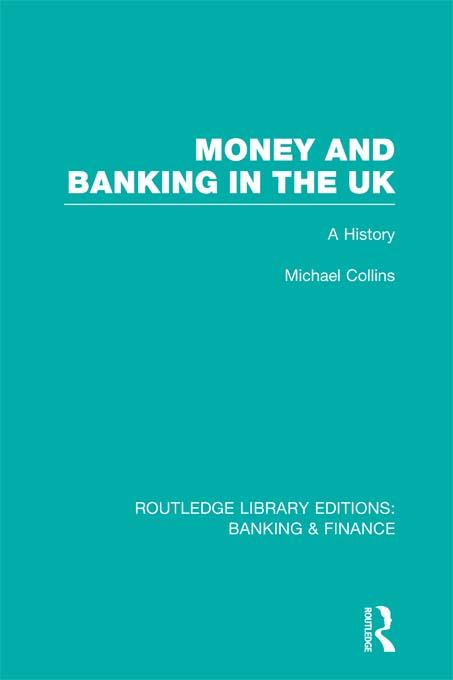
This book is concerned with developments in three main areas of monetary history: domestic commercial banking; monetary policy; and the UK’s international financial position. For ease of analysis the 160 years under study are arranged into three clear chronological divisons. Part 1 covers the years 1826-1913, a period in which the UK emerged as the world’s leading economic power. It was in these years that an extensive and fully-operative domestic banking system was established. Part 2 covers 1914 to 1939 – the years which marked a break in the traditional monetary arrangements of the Victorian and Edwardian eras. Part 3 covers 1939-1986 when the dominance of state influence within the domestic money markets was re-established by the Second World War and the acceptance by the authorities of the obligation to ‘manage’ the economy which meant that successive postwar governments took direct responsibility for the conduct of monetary and credit policy.
Betal nemt med kort, Klarna, Apple Pay eller Google Pay. Ikke tilfreds? Du har altid 14 dages fortrydelsesret. Læs mere i vores vilkår. Har du spørgsmål, så send os en mail på hello@memmo.org.
Memmo gør det nemmere at studere – uanset hvor du er i verden. Hos os samler du dine kursusbøger og smarte studieværktøjer ét sted: resuméer, quizzer, podcasts og flashcards. Og så er der Ted, din studieven, der svarer på alt, du undrer dig over. Over 50 000 studerende studerer allerede her – bygget til at hjælpe dig med at lære hurtigere og stresse mindre.