
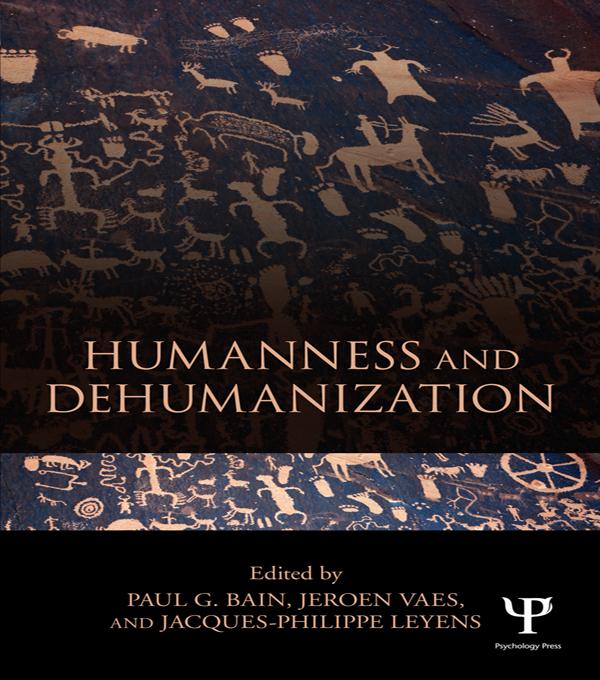
What does it mean to be human? Why do people dehumanize others (and sometimes themselves)? These questions have only recently begun to be investigated in earnest within psychology. This volume presents the latest thinking about these and related questions from research leaders in the field of humanness and dehumanization in social psychology and related disciplines. Contributions provide new insights into the history of dehumanization, its different types, and new theories are proposed for when and why dehumanization occurs. While people’s views about what humanness is, and who has it, have long been known as important in understanding ethnic conflict, contributors demonstrate its relevance in other domains, including medical practice, policing, gender relations, and our relationship with the natural environment. Cultural differences and similarities in beliefs about humanness are explored, along with strategies to overcome dehumanization.
In highlighting emerging ideas and theoretical perspectives, describing current theoretical issues and controversies and ways to resolve them, and in extending research to new areas, this volume will influence research on humanness and dehumanization for many years.
Betal nemt med kort, Klarna, Apple Pay eller Google Pay. Ikke tilfreds? Du har altid 14 dages fortrydelsesret. Læs mere i vores vilkår. Har du spørgsmål, så send os en mail på hello@memmo.org.
Memmo gør det nemmere at studere – uanset hvor du er i verden. Hos os samler du dine kursusbøger og smarte studieværktøjer ét sted: resuméer, quizzer, podcasts og flashcards. Og så er der Ted, din studieven, der svarer på alt, du undrer dig over. Over 50 000 studerende studerer allerede her – bygget til at hjælpe dig med at lære hurtigere og stresse mindre.