
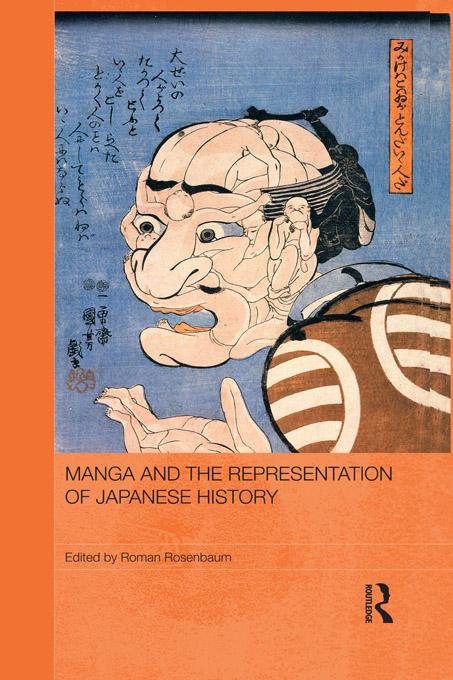
This edited collection explores how graphic art and in particular Japanese manga represent Japanese history.
The articles explore the representation of history in manga from disciplines that include such diverse fields as literary studies, politics, history, cultural studies, linguistics, narratology, and semiotics. Despite this diversity of approaches all academics from these respective fields of study agree that manga pose a peculiarly contemporary appeal that transcends the limitation imposed by traditional approaches to the study and teaching of history. The representation of history via manga in Japan has a long and controversial historiographical dimension. Thereby manga and by extension graphic art in Japanese culture has become one of the world’s most powerful modes of expressing contemporary historical verisimilitude. The contributors to this volume elaborate how manga and by extension graphic art rewrites, reinvents and re-imagines the historicity and dialectic of bygone epochs in postwar and contemporary Japan.
Manga and the Representation of Japanese History will be of interest to students and scholars of Asian studies, Asian history, Japanese culture and society, as well as art and visual culture
Betal nemt med kort, Klarna, Apple Pay eller Google Pay. Ikke tilfreds? Du har altid 14 dages fortrydelsesret. Læs mere i vores vilkår. Har du spørgsmål, så send os en mail på hello@memmo.org.
Memmo gør det nemmere at studere – uanset hvor du er i verden. Hos os samler du dine kursusbøger og smarte studieværktøjer ét sted: resuméer, quizzer, podcasts og flashcards. Og så er der Ted, din studieven, der svarer på alt, du undrer dig over. Over 50 000 studerende studerer allerede her – bygget til at hjælpe dig med at lære hurtigere og stresse mindre.