
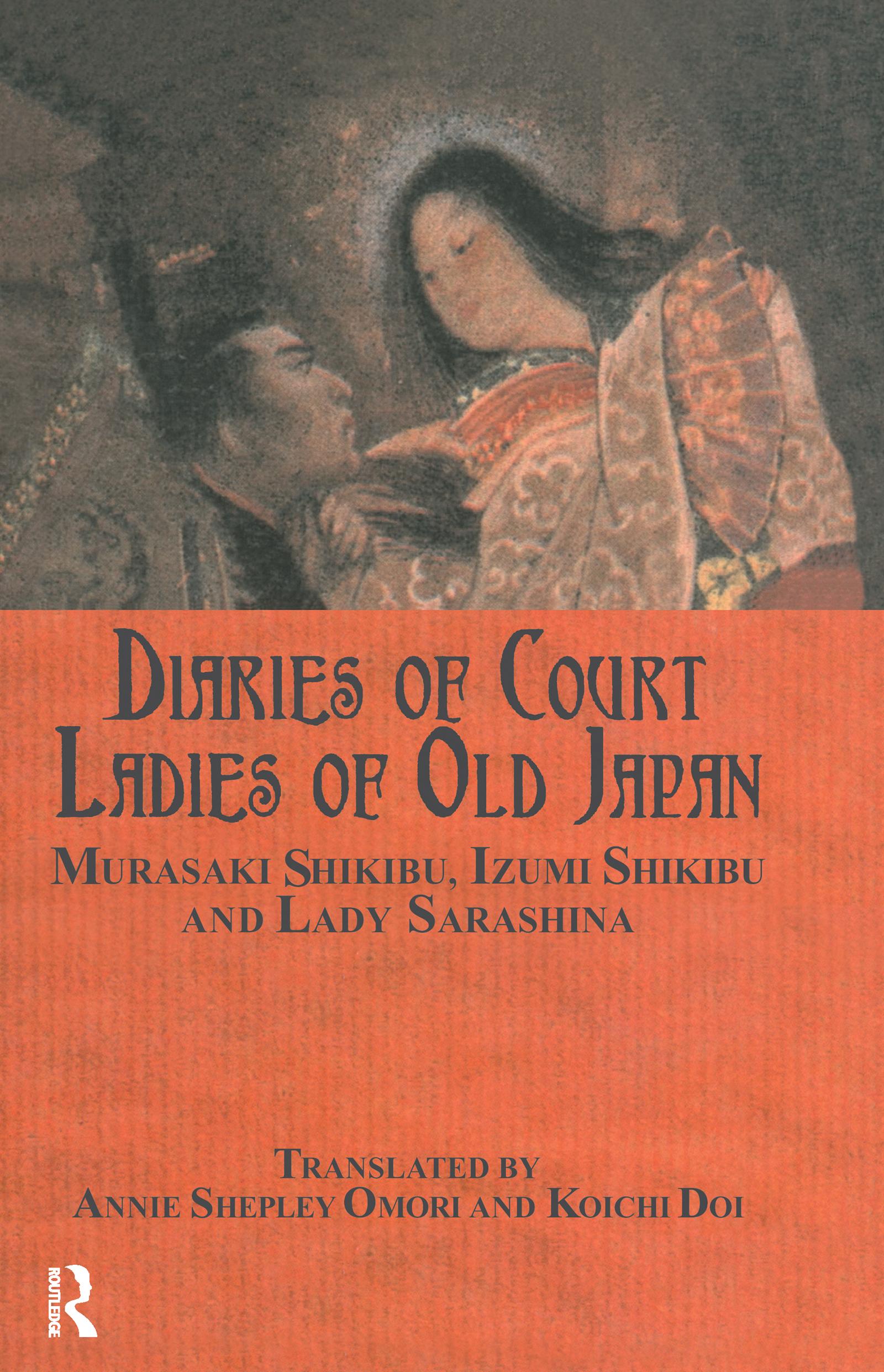
The Heian period (794-1186AD) of Japanese history - the setting of The Tale of Genji - was an era of unsurpassed refinement in art and literature, in which women played a unique role. Dominated by the mighty Fujiwara clan, the Japanese court was the bright centre of a world in which rare and exquisite taste in poetry, art, calligraphy, dress, incense, colour, even the selection of gifts, was cultivated to an amazing degree. This gossamer veil of beauty masked another reality of political intrigue and passionate rivalries which intensified the heady atmosphere of a court in which flirtations and love affairs were endemic. Cultivated and artistic women held a privileged position at court, and they perfected the literary genre of diaries that combined subtlety, strength and starkness in their depictions of life in this enclosed and dream-like world. These diaries are among the jewels of Japanese literature and three are presented here - The Sarashina Diary, the Diary of Izumi Shikibu and the Diary of Murasaki Shikibu - with an introduction by the poet Amy Lowell, an early admirer of Japanese literature.
Betal nemt med kort, Klarna, Apple Pay eller Google Pay. Ikke tilfreds? Du har altid 14 dages fortrydelsesret. Læs mere i vores vilkår. Har du spørgsmål, så send os en mail på hello@memmo.org.
Memmo gør det nemmere at studere – uanset hvor du er i verden. Hos os samler du dine kursusbøger og smarte studieværktøjer ét sted: resuméer, quizzer, podcasts og flashcards. Og så er der Ted, din studieven, der svarer på alt, du undrer dig over. Over 50 000 studerende studerer allerede her – bygget til at hjælpe dig med at lære hurtigere og stresse mindre.