
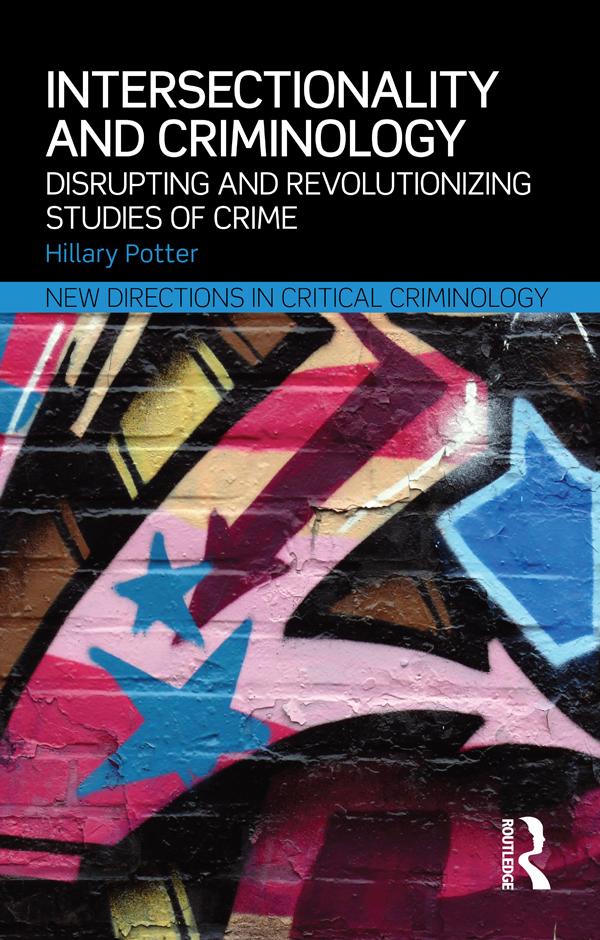
The use of intersectionality theory in the social sciences has proliferated in the past several years, putting forward the argument that the interconnected identities of individuals, and the way these identities are perceived and responded to by others, must be a necessary part of any analysis. Fundamentally, intersectionality claims that not only are people’s lived experiences affected by their racial identity and by their gender identity, but that these identities, and others, continually operate together and affect each other.
With "official" statistical data that indicate people of Color have higher offending and victimization rates than White people, and with the overrepresentation of men and people of Color in the criminal legal system, new theories are required that address these phenomena and that are devoid of stereotypical or debasing underpinnings.
Intersectionality and Criminology provides a comprehensive review of the need for, and use of, intersectionality in the study of crime, criminality, and the criminal legal system. This is essential reading for academics and students researching and studying in the fields of crime, criminal justice, theoretical criminology, and gender, race, and socioeconomic class.
Betal nemt med kort, Klarna, Apple Pay eller Google Pay. Ikke tilfreds? Du har altid 14 dages fortrydelsesret. Læs mere i vores vilkår. Har du spørgsmål, så send os en mail på hello@memmo.org.
Memmo gør det nemmere at studere – uanset hvor du er i verden. Hos os samler du dine kursusbøger og smarte studieværktøjer ét sted: resuméer, quizzer, podcasts og flashcards. Og så er der Ted, din studieven, der svarer på alt, du undrer dig over. Over 50 000 studerende studerer allerede her – bygget til at hjælpe dig med at lære hurtigere og stresse mindre.