
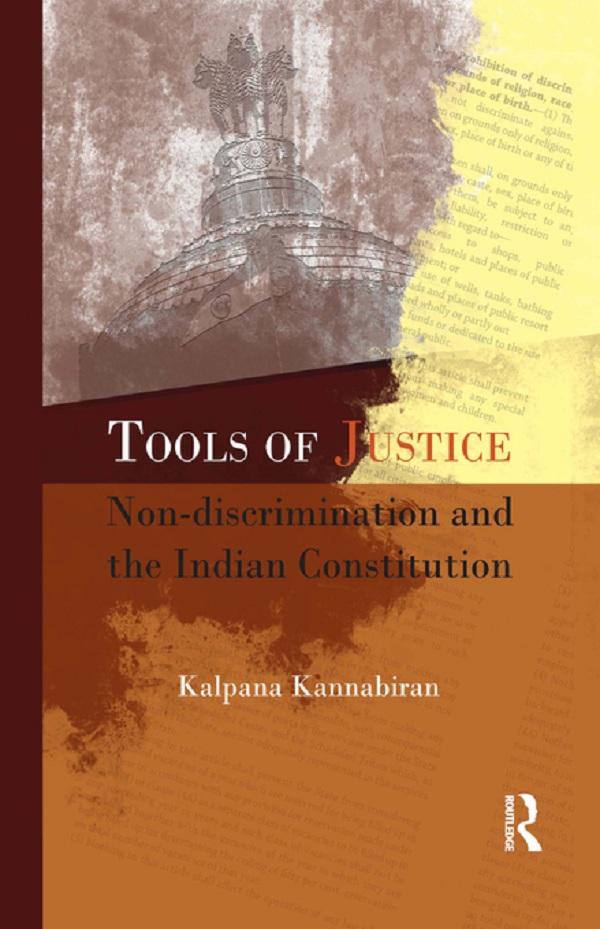
In the years since independence, the Indian subcontinent has witnessed an alarming rise in violence against marginalized communities, with an increasing number of groups pushed to the margins of the democratic order. Against this background of violence, injustice and the abuse of rights, this book explores the critical, ‘insurgent’ possibilities of constitutionalism as a means of revitalising the concepts of non-discrimination and liberty, and of reimagining democratic citizenship.
The book argues that the breaking down of discrimination in constitutional interpretation and the narrowing of the field of liberty in law deepen discriminatory ideologies and practices. Instead, it offers an intersectional approach to jurisprudence as a means of enabling the law to address the problem of discrimination along multiple, intersecting axes. The argument is developed in the context of the various grounds of discrimination mentioned in the constitution — caste, tribe, religious minorities, women, sexual minorities, and disability. The study draws on a rich body of materials, including official reports, case law and historical records, and uses insights from social theory, anthropology, literary and historical studies and constitutional jurisprudence to offer a new reading of non-discrimination.
This book will be useful to those interested in law, sociology, gender studies, politics, constitutionalism, disability studies, human rights, social exclusion, etc.
Betal nemt med kort, Klarna, Apple Pay eller Google Pay. Ikke tilfreds? Du har altid 14 dages fortrydelsesret. Læs mere i vores vilkår. Har du spørgsmål, så send os en mail på hello@memmo.org.
Memmo gør det nemmere at studere – uanset hvor du er i verden. Hos os samler du dine kursusbøger og smarte studieværktøjer ét sted: resuméer, quizzer, podcasts og flashcards. Og så er der Ted, din studieven, der svarer på alt, du undrer dig over. Over 50 000 studerende studerer allerede her – bygget til at hjælpe dig med at lære hurtigere og stresse mindre.