
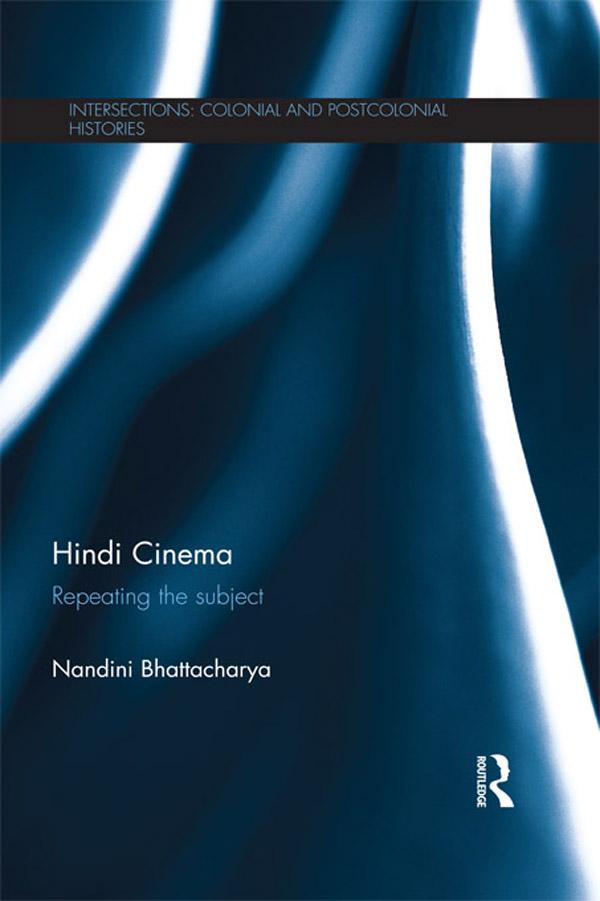
Hindi Cinema is full of instances of repetition of themes, narratives, plots and characters. By looking at 60 years of Hindi cinema, this book focuses on the phenomenon as a crucial thematic and formal code that is problematic when representing the national and cinematic subject. It reflects on the cinema as motivated by an ongoing crisis of self-formation in modern India.
The book looks at how cinema presents liminal and counter-modern identities emerging within repeated modern attempts to re-enact traumatic national events so as to redeem the past and restore a normative structure to happenings. Establishing structure and event as paradigmatic poles of a historical and anthropological spectrum for the individual in society, the book goes on to discuss cinematic portrayals of violence, gender embodiment, religion, economic transformations and new globalised Indianness as events and sites of liminality disrupting structural aspirations.
After revealing the impossibility of accurate representation of incommensurable and liminal subjects within the historiography of the nation-state, the book highlights how Hindi cinema as an ongoing engagement with the nation-state as a site of eventfulness draws attention to the problematic nature of the thematic of nation. It is a useful study for academics of Film Studies and South Asian Culture.
Betal nemt med kort, Klarna, Apple Pay eller Google Pay. Ikke tilfreds? Du har altid 14 dages fortrydelsesret. Læs mere i vores vilkår. Har du spørgsmål, så send os en mail på hello@memmo.org.
Memmo gør det nemmere at studere – uanset hvor du er i verden. Hos os samler du dine kursusbøger og smarte studieværktøjer ét sted: resuméer, quizzer, podcasts og flashcards. Og så er der Ted, din studieven, der svarer på alt, du undrer dig over. Over 50 000 studerende studerer allerede her – bygget til at hjælpe dig med at lære hurtigere og stresse mindre.