
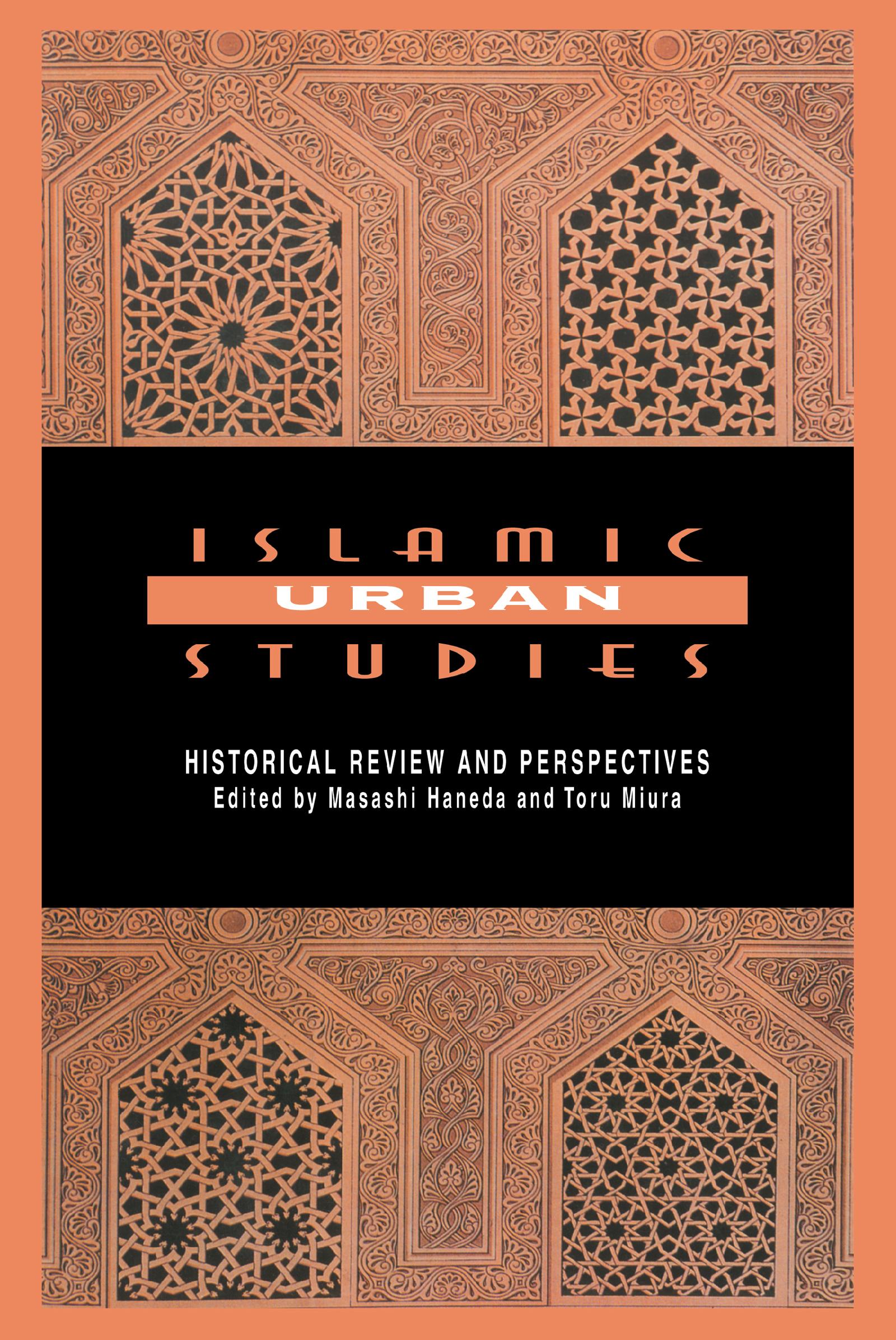
The term 'Islamic cities' has been used to refer to cities of the Islamic world, centring on the Middle East. Academic scholarship has tended to link the cities of the Islamic world with Islam as a religion and culture, in an attempt to understand them as a whole in a unified and homogenous way.
Examining studies (books, articles, maps, bibliographies) of cities which existed in the Middle East and Central Asia in the period from the rise of Islam to the beginning of the 20th century, this book seeks to examine and compare Islamic cities in their diversity of climate, landscape, population and historical background.
Coordinating research undertaken since the nineteenth century, and comparing the historiography of the Maghrib, Mashriq, Turkey, Iran and Central Asia, Islamic Urbanism provides a fresh perspective on issues that have exercised academic concern in urban studies and highlights avenues for future research.
Betal nemt med kort, Klarna, Apple Pay eller Google Pay. Ikke tilfreds? Du har altid 14 dages fortrydelsesret. Læs mere i vores vilkår. Har du spørgsmål, så send os en mail på hello@memmo.org.
Memmo gør det nemmere at studere – uanset hvor du er i verden. Hos os samler du dine kursusbøger og smarte studieværktøjer ét sted: resuméer, quizzer, podcasts og flashcards. Og så er der Ted, din studieven, der svarer på alt, du undrer dig over. Over 50 000 studerende studerer allerede her – bygget til at hjælpe dig med at lære hurtigere og stresse mindre.