
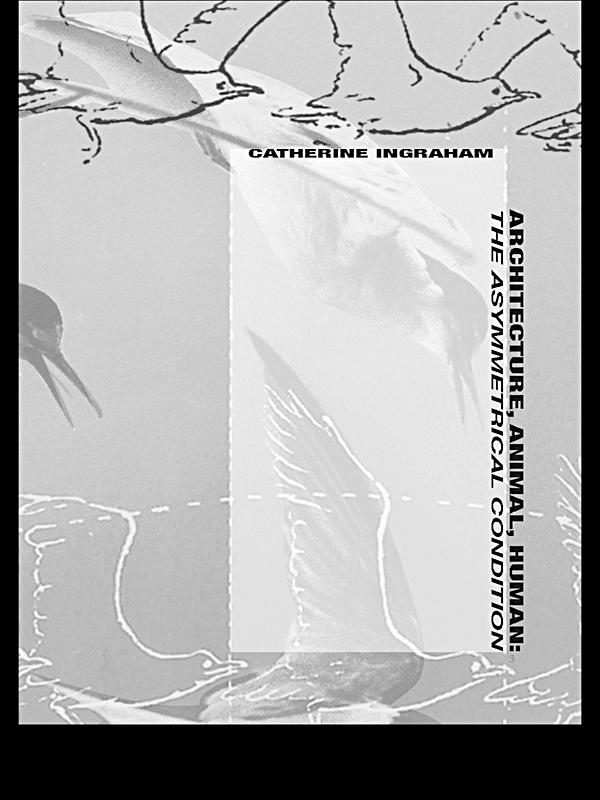
This book looks at specific instances in the Renaissance, Enlightenment and our own time when architectural ideas and ideas of biological life come into close proximity with each other. These convergences are fascinating and complex, offering new insights into architecture and its role. Establishing architecture as a product of the ascendancy of the position of human life, the author shows here that while architecture is dependent on life forces for its existence, at the same time it must be, at some level, indifferent to the life within it. Life, for its part, privileges itself above all else, and seeks to continuously expand its field of expression. This, then, is the asymmetrical condition, and to understand it is to gain important new theoretical perspectives into the nature of architecture.
Betal nemt med kort, Klarna, Apple Pay eller Google Pay. Ikke tilfreds? Du har altid 14 dages fortrydelsesret. Læs mere i vores vilkår. Har du spørgsmål, så send os en mail på hello@memmo.org.
Memmo gør det nemmere at studere – uanset hvor du er i verden. Hos os samler du dine kursusbøger og smarte studieværktøjer ét sted: resuméer, quizzer, podcasts og flashcards. Og så er der Ted, din studieven, der svarer på alt, du undrer dig over. Over 50 000 studerende studerer allerede her – bygget til at hjælpe dig med at lære hurtigere og stresse mindre.