
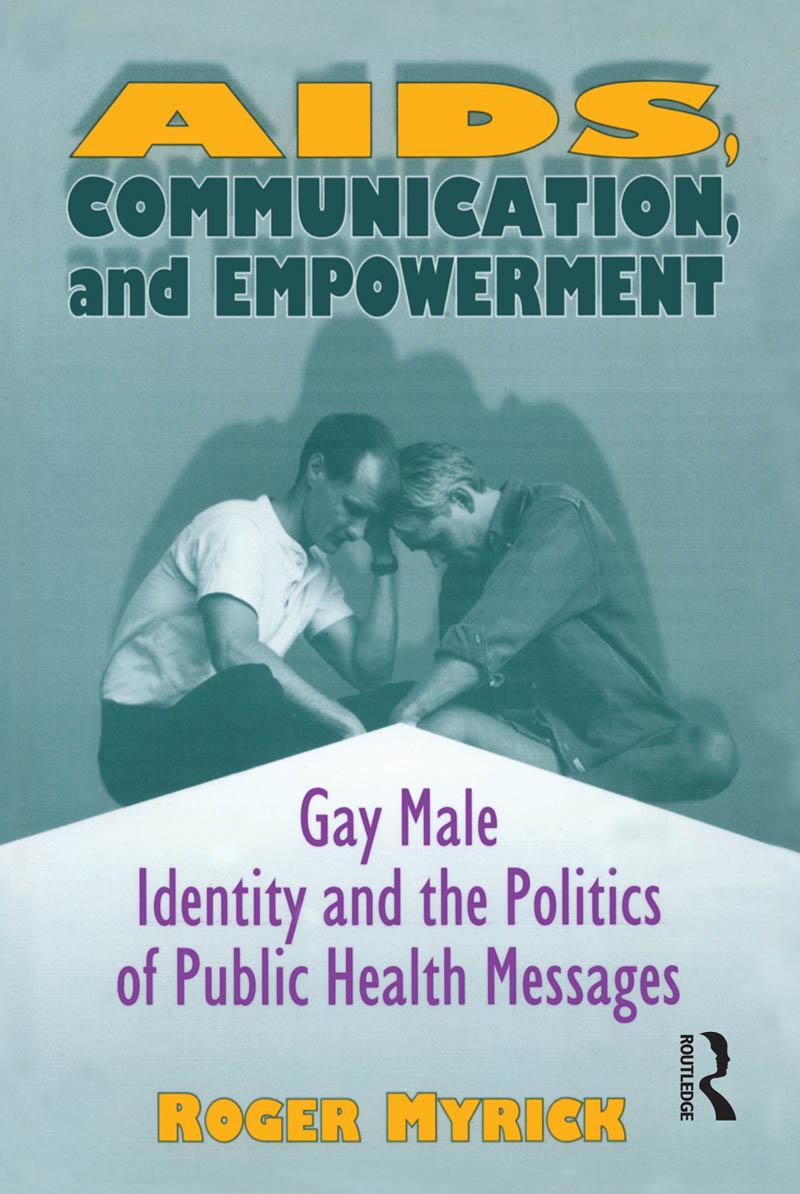
AIDS, Communication, and Empowerment examines the cultural construction of gay men in light of discourse used in the media’s messages about HIV/AIDS--messages often represented as educational, scientific, and informational but which are, in fact, politically charged. The book offers a compelling and substantive look at the social consequences of communication about HIV/AIDS and the reasons for the successes and failures of contemporary health communication. This analysis is important because it provides a reading of health communication from a marginal perspective, one that has often been kept silent in mainstream academic research. AIDS, Communication, and Empowerment offers a critical, historical analysis of public health communication about HIV/AIDS; the ways this communication makes sense historically and culturally; and the implications such messages have for the marginal group which has been most stigmatized as a consequence of these messages. It covers such topics as:
- the relationship among gay identity, language, and power
- cultural studies of the historical development of gay identity
- studies in health communication about HIV/AIDS and health risk communication
- the political consequences of public health education about HIV/AIDS on gay men
- the political consequences of media representations of gay identity and its relationship to disease Based primarily on the French scholar Michel Foucault’s critical, historical analysis of discourse and sexuality, this book takes a timely and original approach which differs from traditional, quantitative communication studies. It examines the relationship between language and culture using a qualitative, cultural studies approach which places medicalization theories in the broader context of histories of sexuality, the discursive development of contemporary gay identity, and recent public health communication.Author Roger Myrick explains how mainstream communication about HIV/AIDS relentlessly stigmatizes and further marginalizes gay identity. He describes how national health education stigmatizes groups by associating them with images of disease and “otherness.” Even communication which originates from marginal groups, particularly those relying on federal funds, often participates in linking gay identities with disease. According to Myrick, government funding, while often necessary for the continuation of community-based health campaigns, poses obvious and direct restrictions on effective marginal education. AIDS, Communication, and Empowerment allows for a rethinking of ways marginal groups can take control of their own education on public health issues. As HIV/AIDS cases continue to rise dramatically among marginalized and disenfranchised groups, analysis of health communication directed toward them becomes crucial to their survival. This book provides valuable insights and information for scholars, professionals, readers interested in the relationship among language, power and marginal identity, and for classes in gay and lesbian studies, health communication, or political communication.
Betal nemt med kort, Klarna, Apple Pay eller Google Pay. Ikke tilfreds? Du har altid 14 dages fortrydelsesret. Læs mere i vores vilkår. Har du spørgsmål, så send os en mail på hello@memmo.org.
Memmo gør det nemmere at studere – uanset hvor du er i verden. Hos os samler du dine kursusbøger og smarte studieværktøjer ét sted: resuméer, quizzer, podcasts og flashcards. Og så er der Ted, din studieven, der svarer på alt, du undrer dig over. Over 50 000 studerende studerer allerede her – bygget til at hjælpe dig med at lære hurtigere og stresse mindre.