
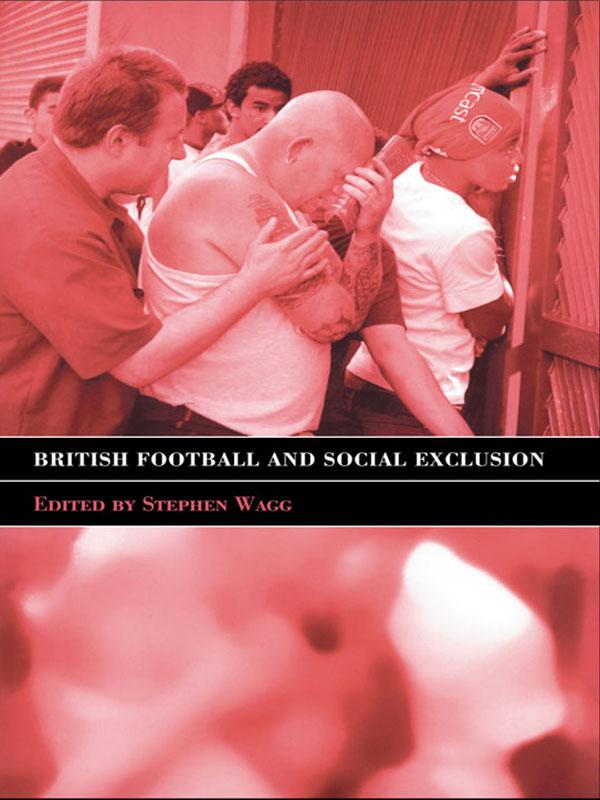
This book takes stock of British football at the beginning of the twenty-first century. It is written by a range of concerned academics and writers, all of whom have an active relationship with the contemporary football world. The book assesses the changes that have occurred in many areas of football culture and the political and academic debates that have accompanied these changes.
English football in particular, it seems, is 'fat city'. The Premiership, now eight years old, has, via satellite television, become a globalised phenomenon: there are Liverpool supporters in Bangladesh, Chelsea fans in sub-Saharan Africa and Manchester United followers across the globe. Grounds are full. Top class football attracts people to bars and pubs in huge numbers. Hooliganism appears a thing of the past. Everyone seems to love football and/or to support a team. The British football media are generally euphoric in their rendering of contemporary football culture.
However, the contributors to this book argue that the heavily commodified, PR-driven and cartelised British football world, with which so many contemporary politicians and other public figures rush to identify themselves, has either created, exacerbated or continued to ignore serious problems of social exclusion problems of class and community, race and ethnicity, gender, sexuality and age.
Betal nemt med kort, Klarna, Apple Pay eller Google Pay. Ikke tilfreds? Du har altid 14 dages fortrydelsesret. Læs mere i vores vilkår. Har du spørgsmål, så send os en mail på hello@memmo.org.
Memmo gør det nemmere at studere – uanset hvor du er i verden. Hos os samler du dine kursusbøger og smarte studieværktøjer ét sted: resuméer, quizzer, podcasts og flashcards. Og så er der Ted, din studieven, der svarer på alt, du undrer dig over. Over 50 000 studerende studerer allerede her – bygget til at hjælpe dig med at lære hurtigere og stresse mindre.