
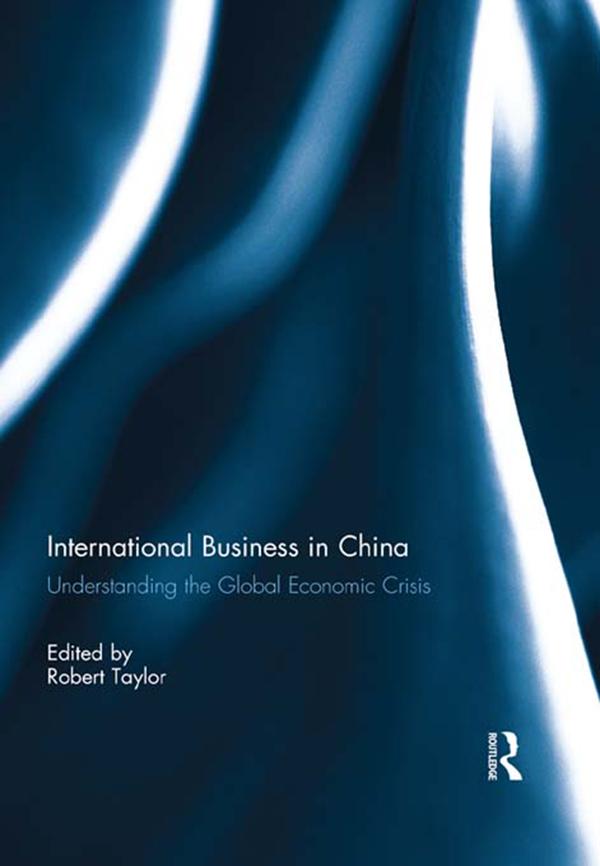
This book deals with a number of contentious issues in Chinese management as China emerges as a global economic player, with a greater role in international business during a global economic crisis. This step is in tandem with an economically driven foreign policy. Since the 1980s, Chinese management while still in transition, has benefited from an infusion of capital, technology and managerial expertise through inward direct investment via joint and wholly-owned foreign ventures.
As the so-called 'workshop of the world', China and its exports, especially labour-intensive goods, face protectionism in the United States and the European Union. To circumvent these barriers, the Chinese leaders are emphasising domestic consumption, itself dependent on rising personal income levels and an improved national social insurance system, and a move to high-tech products, themselves requiring indigenous innovation.
The creation of a knowledge economy, in addition to outward investment in manufacturing, could lead to a distinctive independent style of Chinese management. Simultaneously, China’s participation in intra-regional trade underlines the nation’s role in Asian regional business networks. Such developments in turn present a challenge to Western and global business.
This book was published as a special issue of Asia Pacific Business Review.
Betal nemt med kort, Klarna, Apple Pay eller Google Pay. Ikke tilfreds? Du har altid 14 dages fortrydelsesret. Læs mere i vores vilkår. Har du spørgsmål, så send os en mail på hello@memmo.org.
Memmo gør det nemmere at studere – uanset hvor du er i verden. Hos os samler du dine kursusbøger og smarte studieværktøjer ét sted: resuméer, quizzer, podcasts og flashcards. Og så er der Ted, din studieven, der svarer på alt, du undrer dig over. Over 50 000 studerende studerer allerede her – bygget til at hjælpe dig med at lære hurtigere og stresse mindre.