
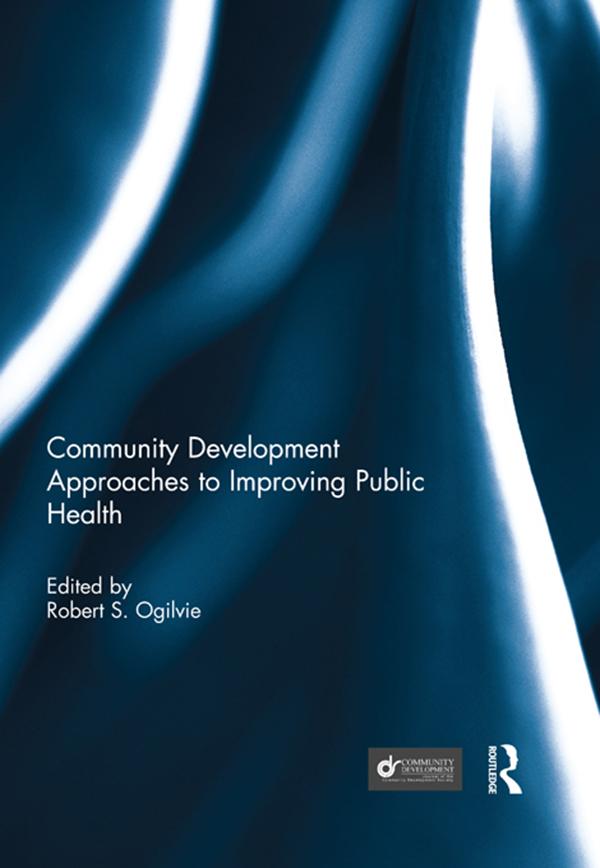
As the rates of chronic diseases, like diabetes, asthma and obesity skyrocket, research is showing that the built environment – the way our cities and towns are developed – contributes to the epidemic rates of these diseases. It is unlikely that those who planned and developed these places envisioned these situations. Public health, community development planning, and other fields influencing the built environment have operated in isolation for much of recent history, with the result being places that public health advocates have labelled, ‘designed for disease’. The sad irony of this is that planning and public health arose together, in response to the need to create health standards, zoning and building codes to combat the infectious diseases that were prevalent in the industrializing cities of late nineteenth and early twentieth century America. In recent years, the dramatic rise in chronic disease rates in cities and towns has begun to bring public health and planning back together to promote development pattern and policies facilitating physical activity and neighbourly interactions as antidotes. In this book, a number of such community development efforts are highlighted, bringing attention to the need to coordinate planning, community development and health policy.
This book was originally published as a special issue of Community Development.
Betal nemt med kort, Klarna, Apple Pay eller Google Pay. Ikke tilfreds? Du har altid 14 dages fortrydelsesret. Læs mere i vores vilkår. Har du spørgsmål, så send os en mail på hello@memmo.org.
Memmo gør det nemmere at studere – uanset hvor du er i verden. Hos os samler du dine kursusbøger og smarte studieværktøjer ét sted: resuméer, quizzer, podcasts og flashcards. Og så er der Ted, din studieven, der svarer på alt, du undrer dig over. Over 50 000 studerende studerer allerede her – bygget til at hjælpe dig med at lære hurtigere og stresse mindre.