
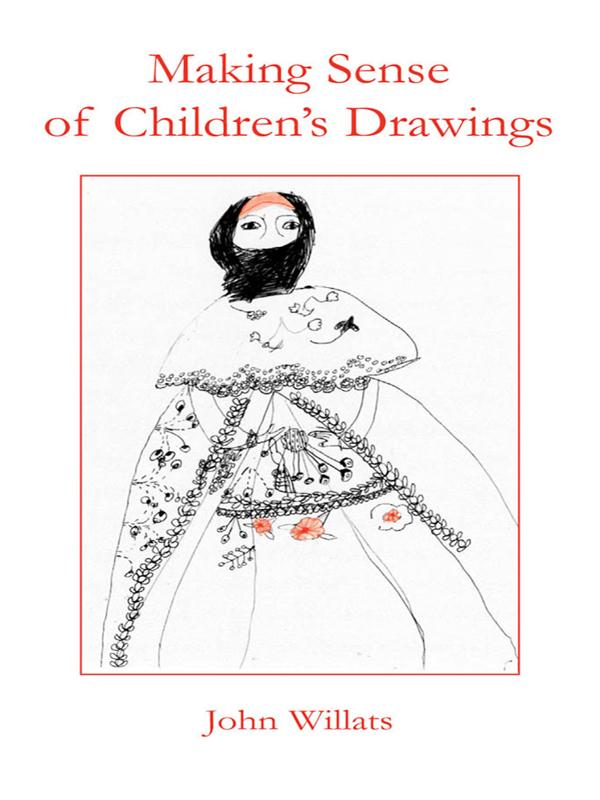
The message of this book is a simple one: children learn to draw by acquiring increasingly complex and effective drawing rules. In this regard, learning to draw is like learning a language, and as with language children use these rules creatively, making infinite use of finite means. Learning to draw is thus, like learning a language, one of the major achievements of the human mind.
Theories of perception developed in the second half of the 20th century enable us to construct a new theory of children's drawings that can account for their many strange features. Earlier accounts contained valuable insights, but recent advances in the fields of language, vision, philosophy, and artificial intelligence now make it possible to resolve the many contradictions and confusions inherent in these early writings.
John Willats has written a book that is accessible to psychologists, artists, primary and junior schoolteachers, and parents of both gifted and normal children.
Betal nemt med kort, Klarna, Apple Pay eller Google Pay. Ikke tilfreds? Du har altid 14 dages fortrydelsesret. Læs mere i vores vilkår. Har du spørgsmål, så send os en mail på hello@memmo.org.
Memmo gør det nemmere at studere – uanset hvor du er i verden. Hos os samler du dine kursusbøger og smarte studieværktøjer ét sted: resuméer, quizzer, podcasts og flashcards. Og så er der Ted, din studieven, der svarer på alt, du undrer dig over. Over 50 000 studerende studerer allerede her – bygget til at hjælpe dig med at lære hurtigere og stresse mindre.