
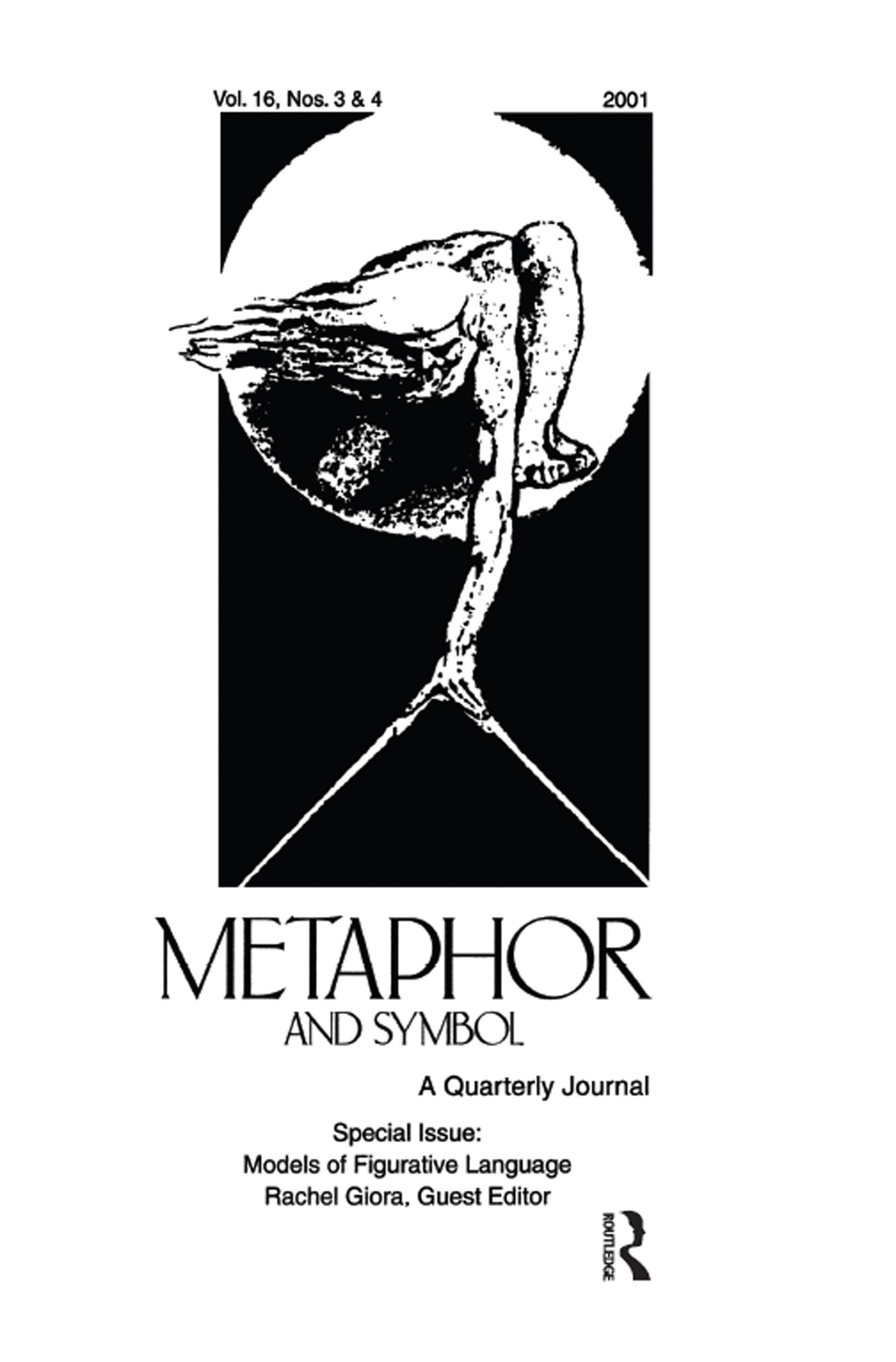
First published in 2001. Volume 16, Numbers 3&4. This special issue is an attempt to record the state of the art of psycholinguistics research into figurative language. There are quite a number of models addressing distinct issues and aiming to solve different problems—the mark of a maturing field. Indeed, not one theory is tailored to solve all the problems. Rather, each model, while aiming at generality, also recognizes its limitation. Despite specializing in different topics, most of the theories presented here have some things in common. For one, most of them dispense with the literal/ nonliteral divide, proposing, instead, models that are capable of handling literal as well as figurative language. Some models focus on the role primary meanings play in comprehension, others shed light on context effects, and some models seem to encompass both in terms of the accumulating effects of constraints (whether linguistic or contextual).
Betal nemt med kort, Klarna, Apple Pay eller Google Pay. Ikke tilfreds? Du har altid 14 dages fortrydelsesret. Læs mere i vores vilkår. Har du spørgsmål, så send os en mail på hello@memmo.org.
Memmo gør det nemmere at studere – uanset hvor du er i verden. Hos os samler du dine kursusbøger og smarte studieværktøjer ét sted: resuméer, quizzer, podcasts og flashcards. Og så er der Ted, din studieven, der svarer på alt, du undrer dig over. Over 50 000 studerende studerer allerede her – bygget til at hjælpe dig med at lære hurtigere og stresse mindre.
Du kan måske også lide
Køb bogen0